Ecuador 2026 ~ Ecuador 2025 ~ Ecuador 2024 ~ Belize 2024 ~ Ecuador 2023 ~ Ecuador 2022
Ecuador 2026
Another Visit to My Favorite Forest - The Amazon Rainforest!
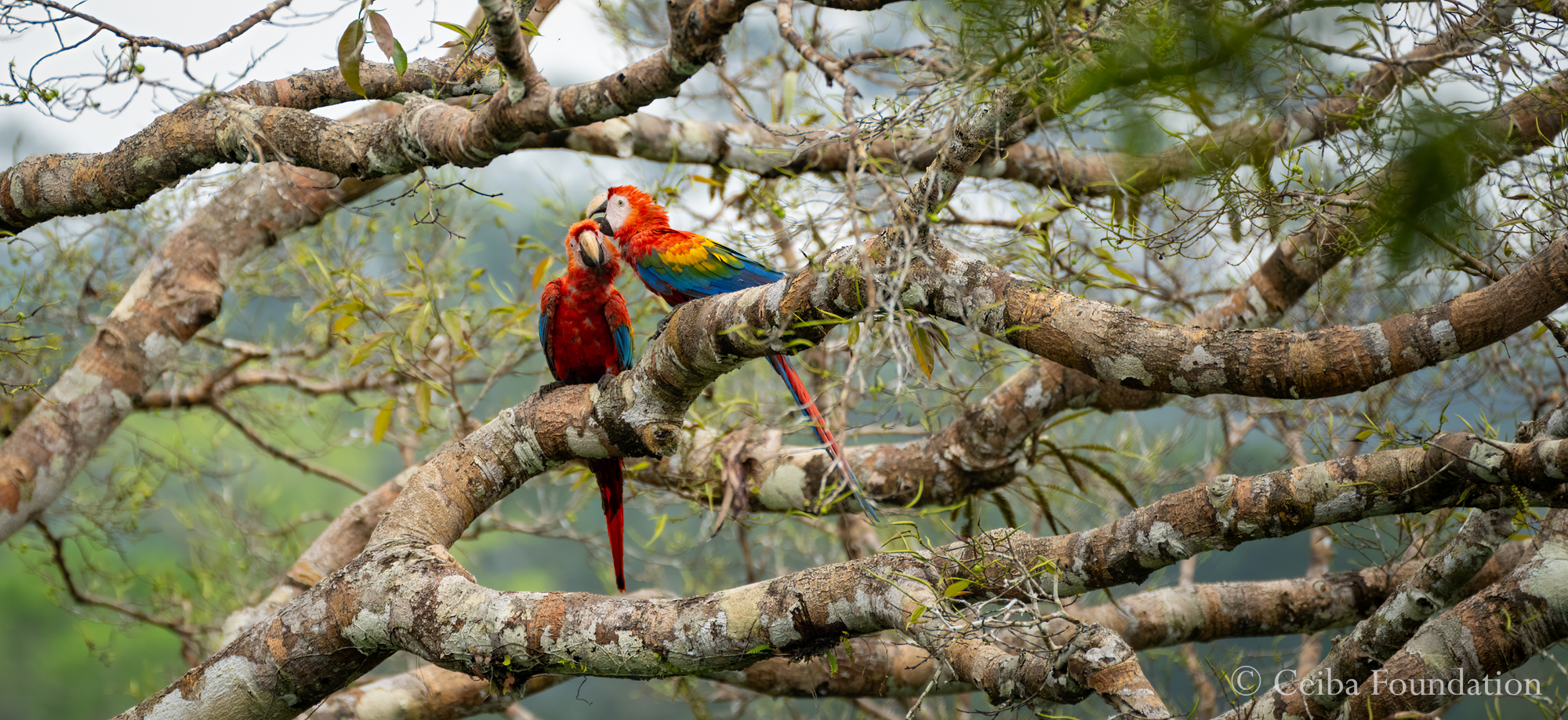
My stay in Ecuador concluded with a two-week expedition to the western Amazon, taking my great group of students to the fantastic Tiputini Biodiversity Station. This supremely diverse site -- by all accounts the most biodiverse place on planet Earth -- holds a special place in my heart (or perhaps that's a tropical parasite gnawing away!), and I have been fortunate to visit many times. On the very first day, we spotted some Scarlet Macaws in the treetops, a pair bonding during a grooming session.
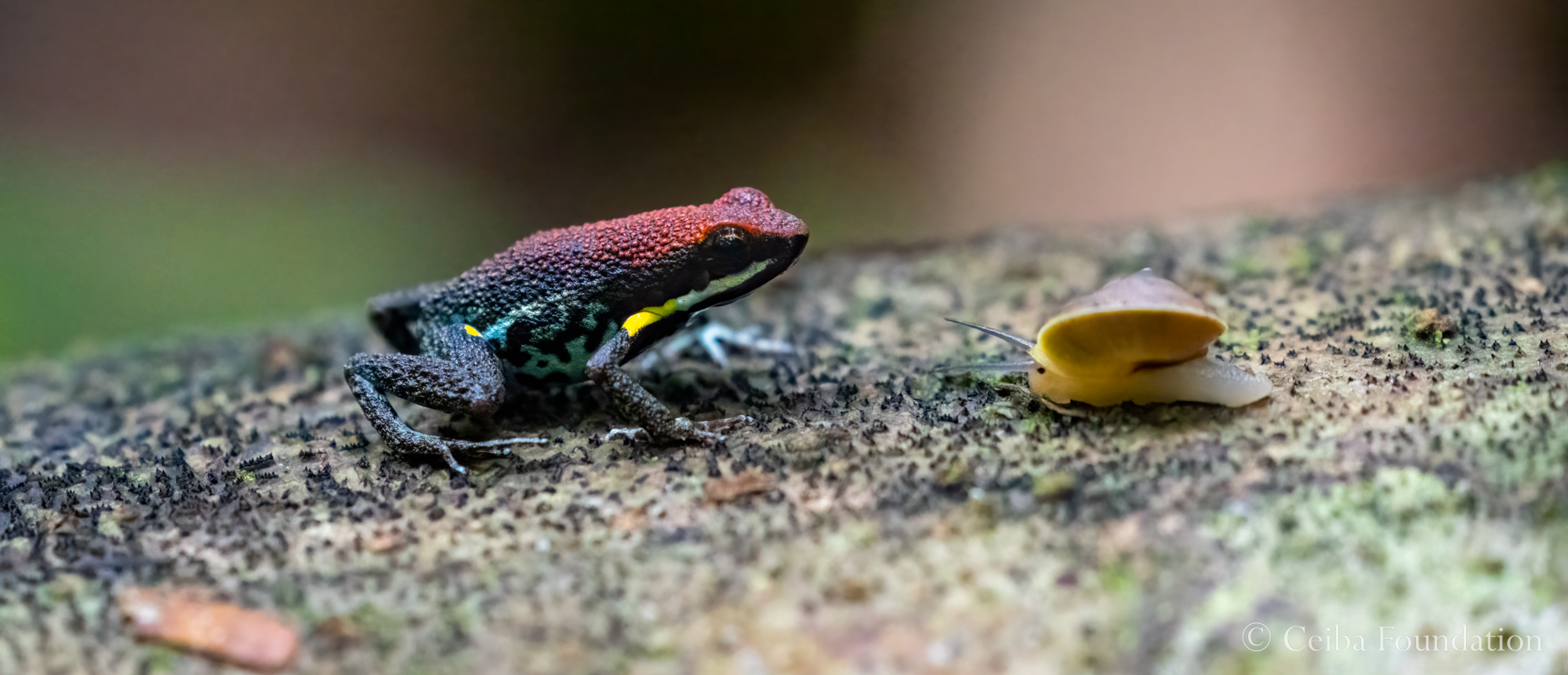
Back on the ground, I spotted a tiny poison dart frog that they call the Rana Nacional since it's colors match the Ecuadorian flag! Blue and red and yellow on black are all meant to warn predators that this wee creature packs a poison punch ... though they're not so toxic that a biologist can't handle them without worry. On closer inspection though, I noticed the frog was facing off with an even tinier snail! Does anyone remember the book "Frog and Toad Are Friends"? Here, frog and snail are amigos!
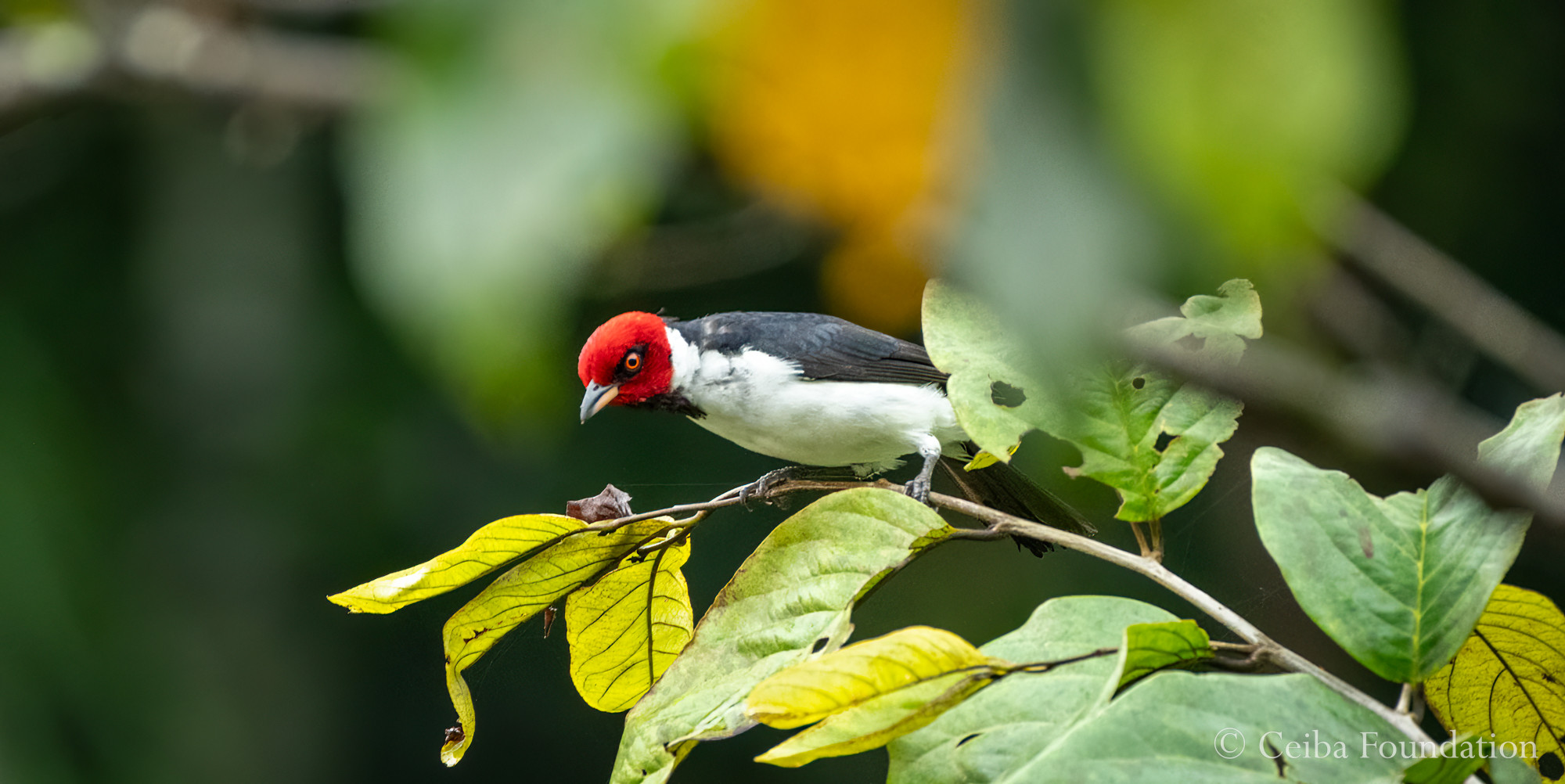
The next day we hiked to a tranquil forest lagoon, paddled its still waters, and saw a few birds that are common near streams and ponds, like this stunning Red-capped Cardinal
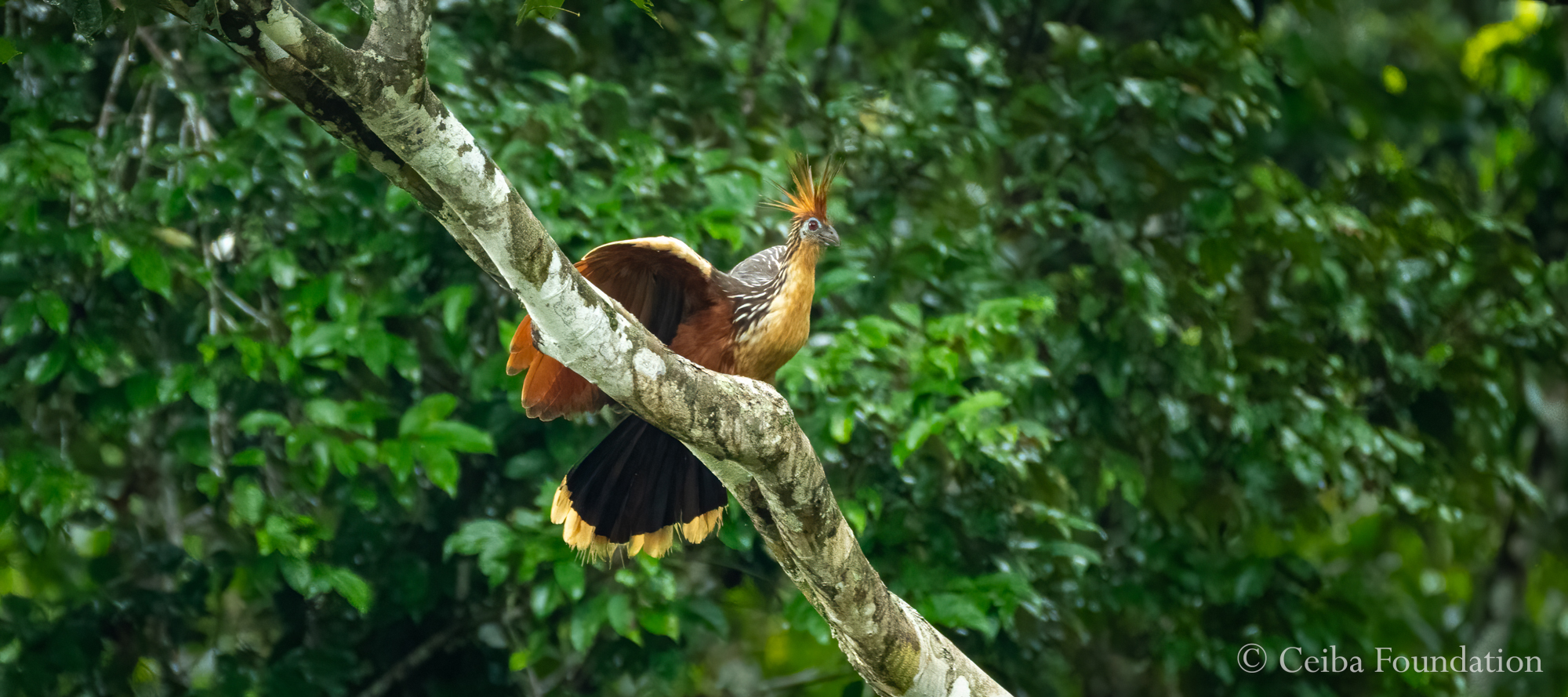
Squawking loudly from the lagoon's edges were a group of Hoatzin, sounding less like birds and more like angry pigs with a chest cold. Hoatzin are an ancient lineage, a family of birds with just one species, and they have a very unique diet: like sloths, the eat only leaves! This leaves them low on energy, so they stay near water in case of predators, and leaves require a lot of water to digest, so again they are often near water.
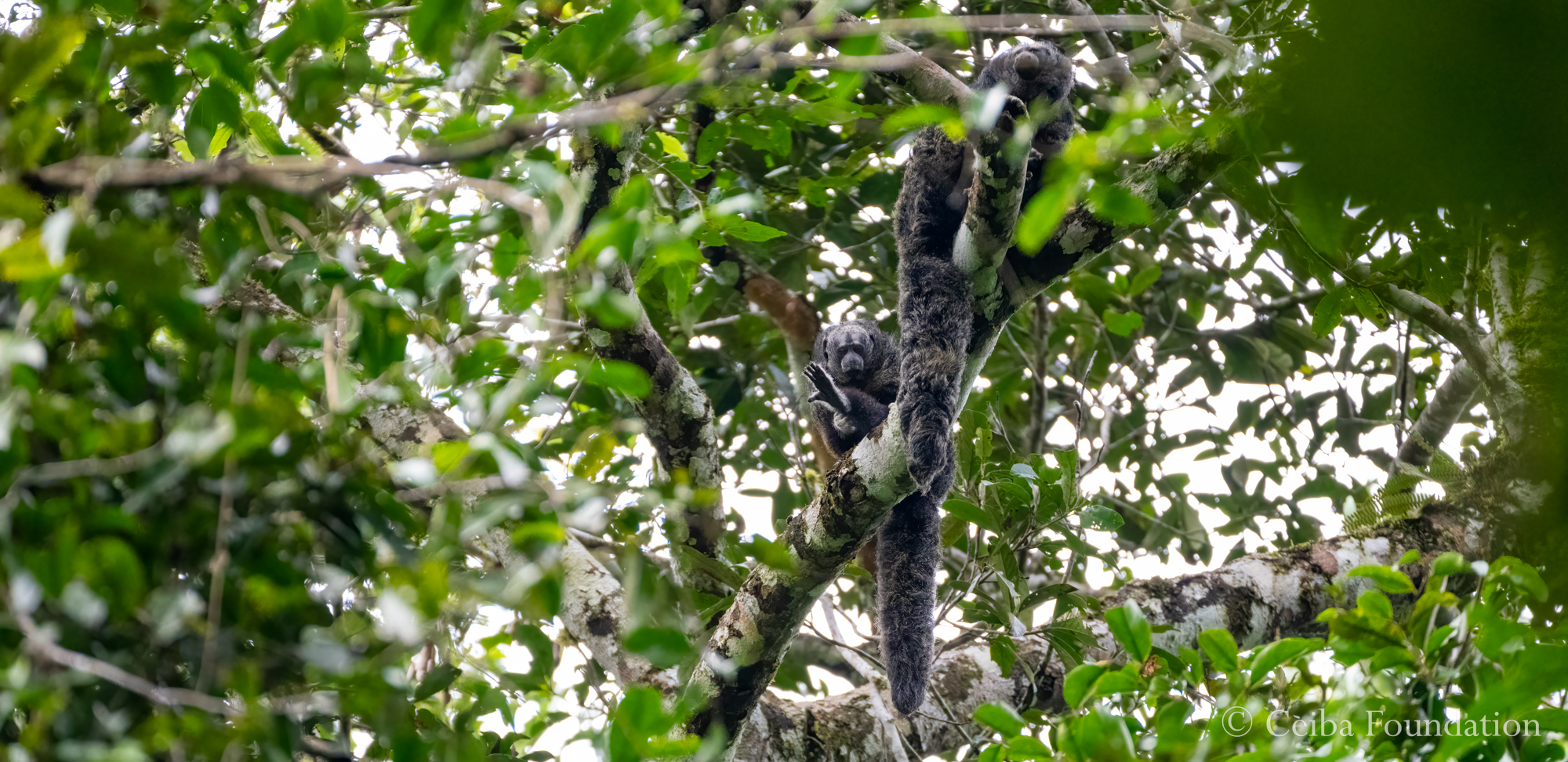
Back in the forest, we were walking along quietly when a gruff snarl caught our ears, as though a large dog were growling in the trees. Overhead were two of the oddest-looking monkeys seen in this part of the Amazon: Saki monkeys! Their improbably thick fur gives them a bushy look, seemingly better suited for arctic climates than the rainforest. But they stopped to see who we were, scratch their feather-duster tails, and even waved goodbye to us before bounding off into the distance.
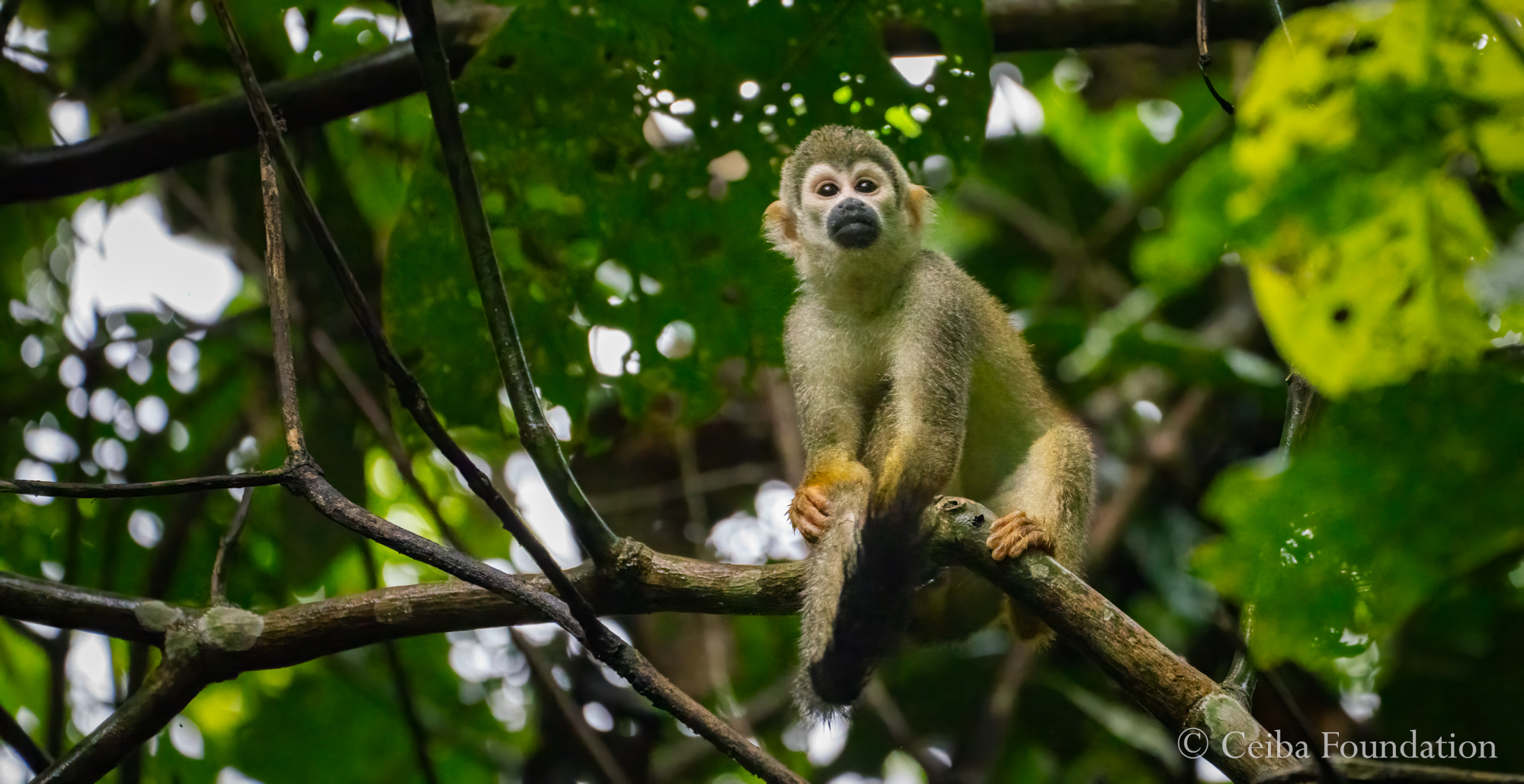
Halfway back to camp, we stumbled across another troop of monkeys, this time a large gaggle of maybe 40 Squirrel monkeys. They jump and run, skitter and whiz through the forest with a speed and dexterity that never ceases to amaze. Everyonce in a while, they stop for a scratch before galloping on.
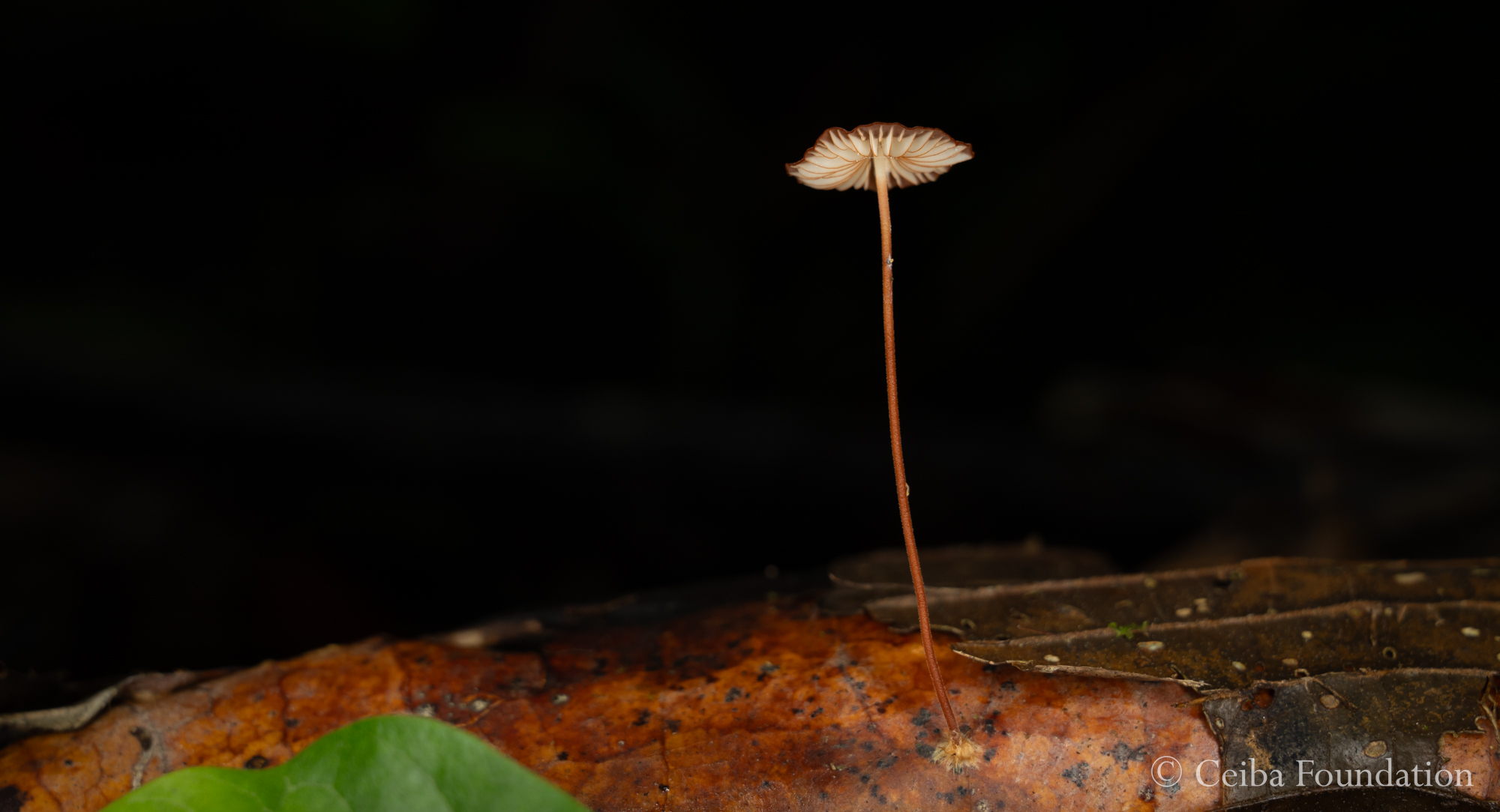
That evening, I spent a couple hours testing a night photography rig that I had put together. A not-too-expensive ring flash for light, and a decent all-in-one lens that allows me to get up very close to little night dwellers. First, I framed this leaf-decomposing fungus known as Merasmius, shaped like a charming little umbrella:
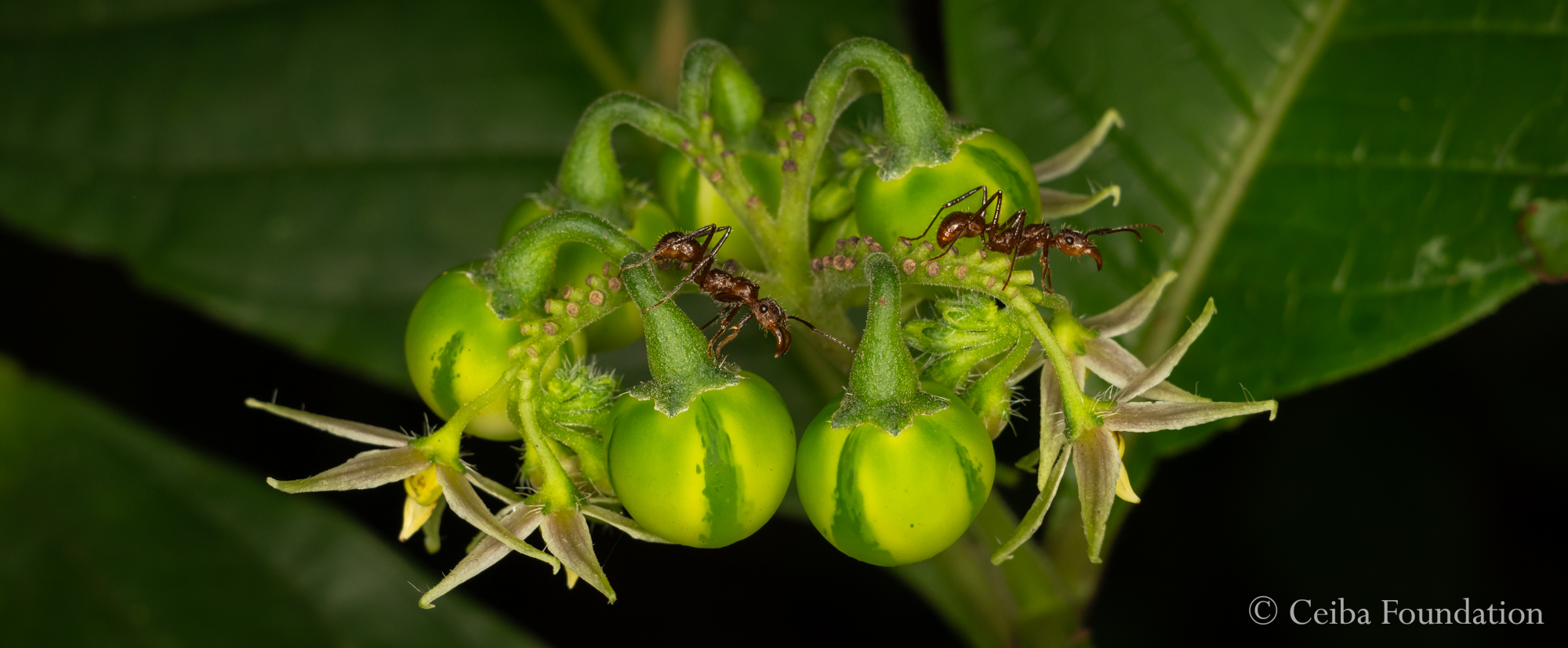
Next, while observing some teeny yellow flowers on a tomato relative, I realized there were a pair of ants wandering around on the flower buds. Defending the plant? Eating its juices? Anxious for publicity? Who knows!
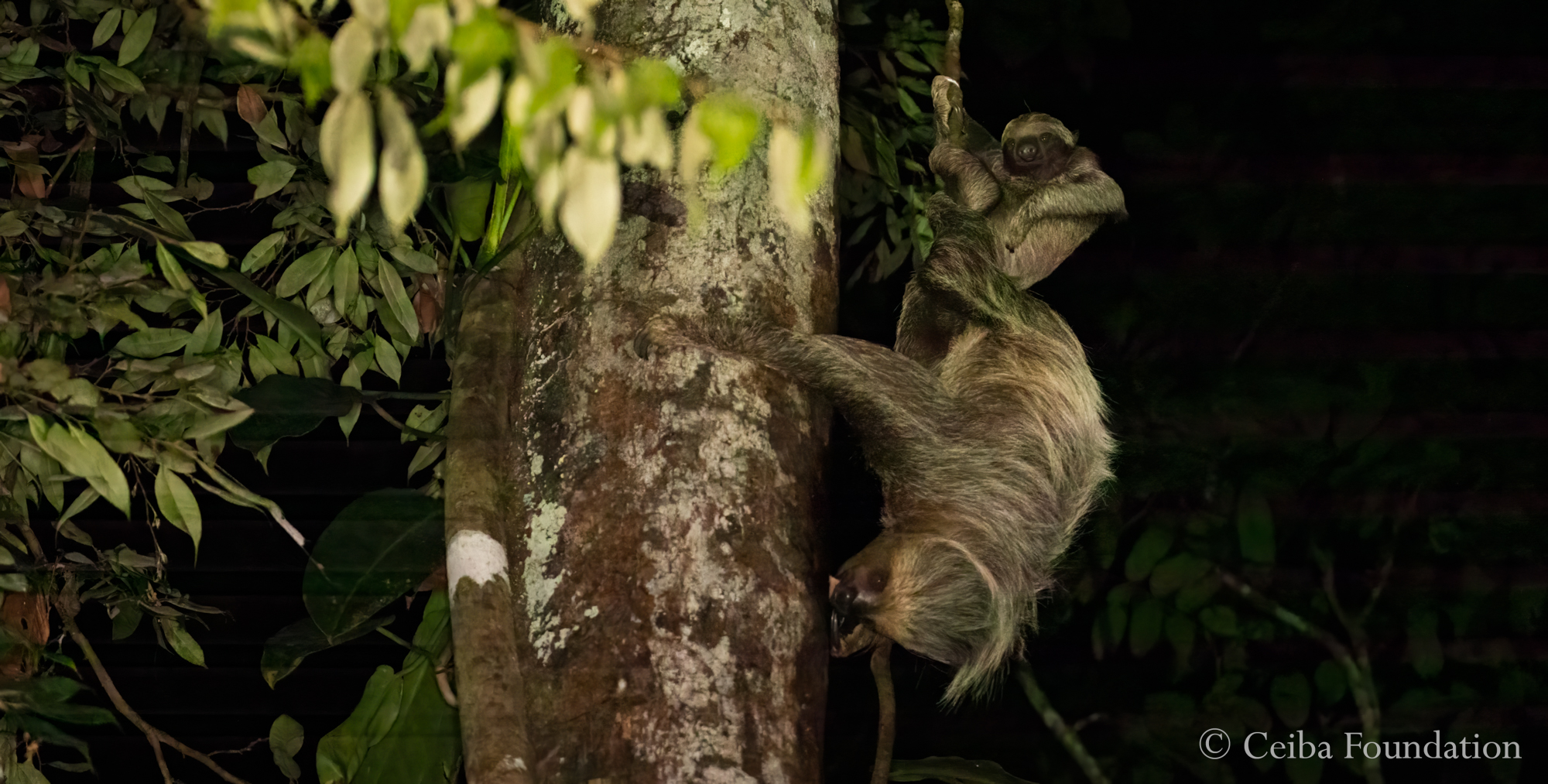
A loud commotion back in camp caught my ears, and when I strolled over, camera in hand, what to my wondering eyes should appear but two sloths! The station staff had seen a mother and youngster coming repeatedly to a particular forest tree with what must be delicious sap, because these supposed leaf-eaters spent nearly a half-hour lapping at sap from the trunk.
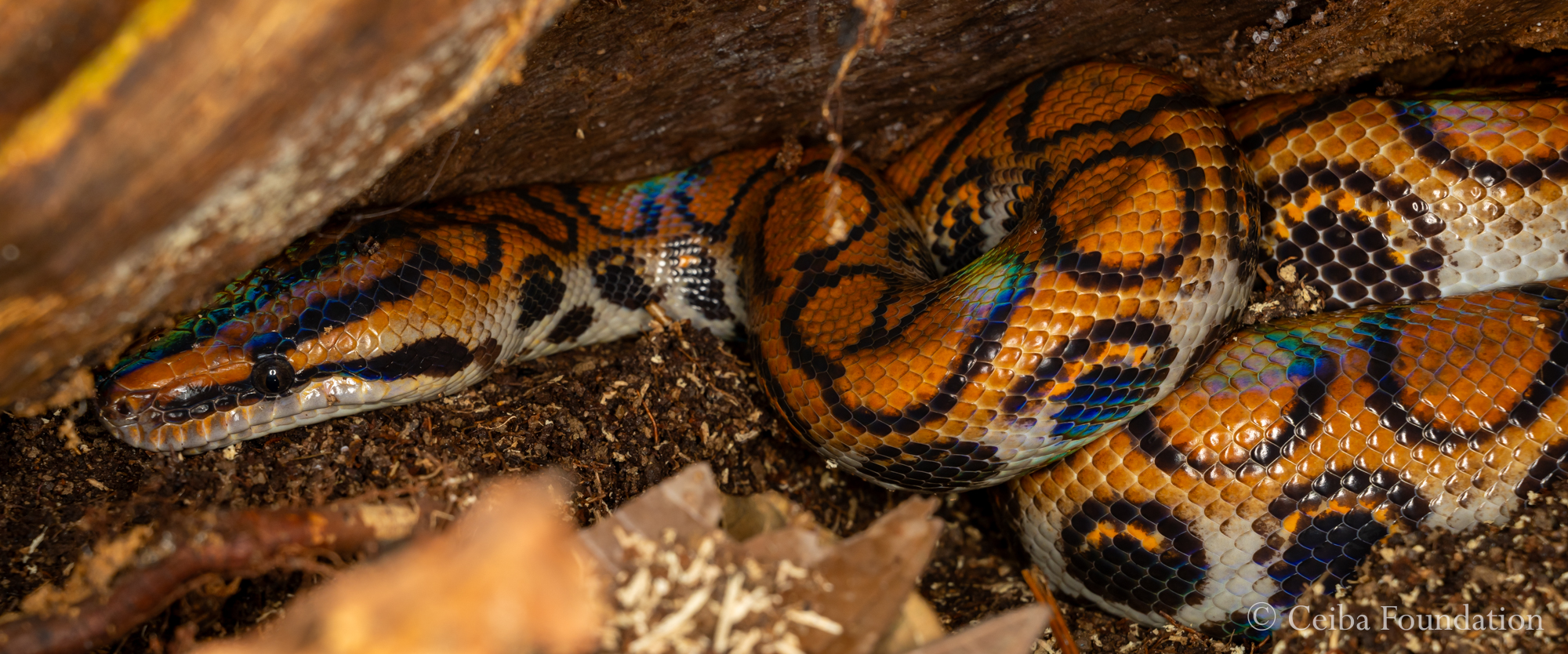
Just when we thought it was all quiet on the forest front, another pair of station staff had found another delight. A gorgeous snake was curled under a rotting tree base, taking a nap or maybe preparing for an evening of hunting. Here, in all its multi-hued glory (thanks to the flash) is a very aptly-named Rainbow boa.
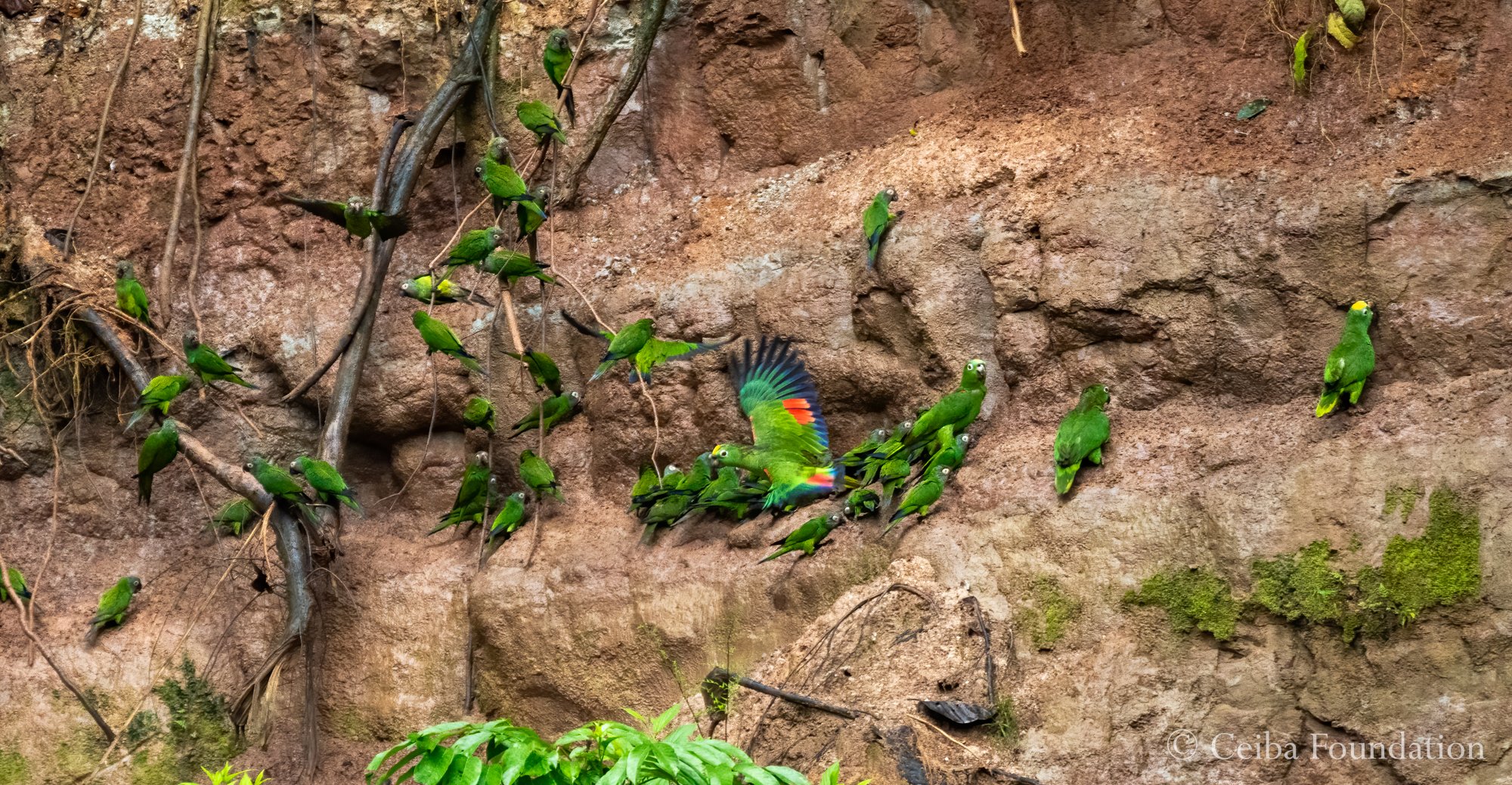
The next day we were up and out early, even before dawn, for a peaceful canoe ride downstream (even with coffee on board, yay team!), to a parrot salt lick. Here, at a collapsing river bank, water seeps through the mud and appears to bring valuable nutrients to the surface. All manner of creatures have been known to eat this clay, from spider monkeys to tapirs to parrots and macaws. But not predators. So the primary theory is that leaf and fruit and seed eaters come to detoxify themselves, letting the mud -- like a dose of pepto bismol -- counteract the defensive chemicals plants use to avoid being eaten. Whatever the reason, it makes for a noisy and colorful morning show.
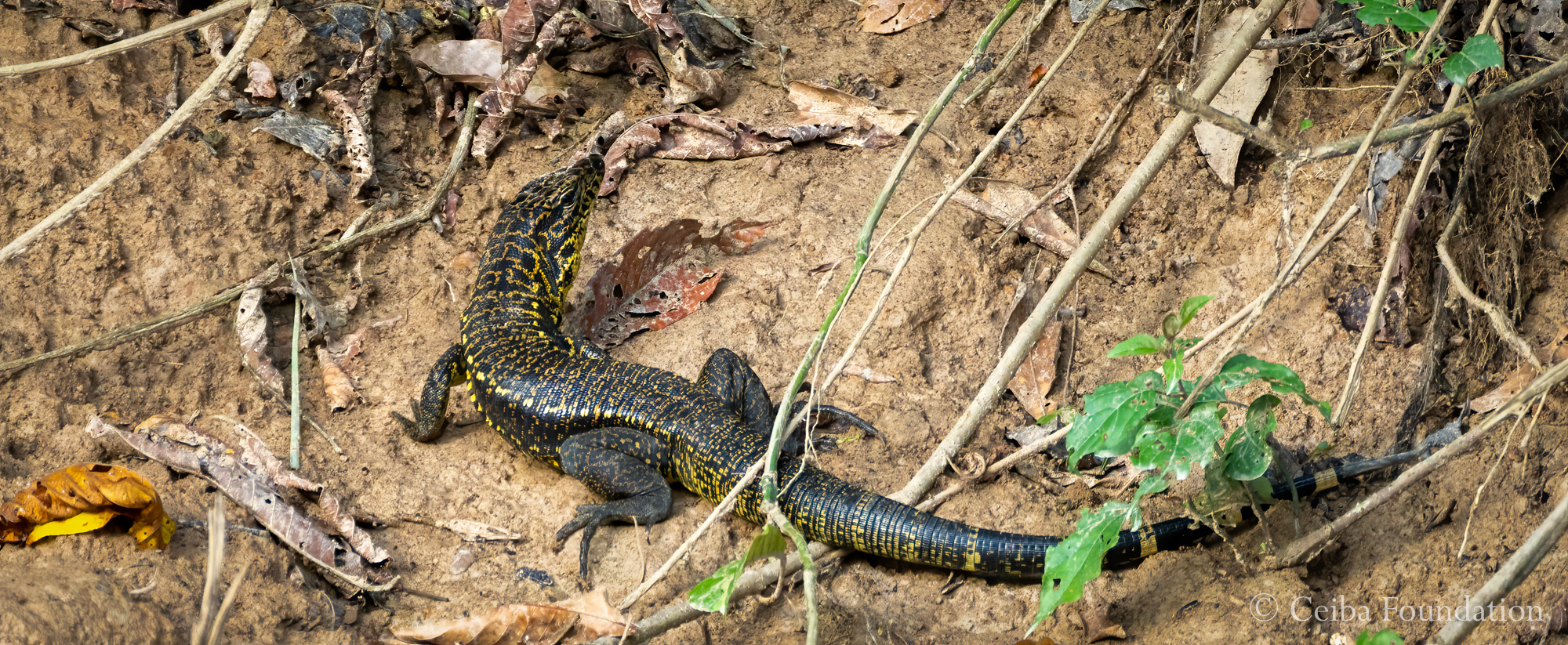
On the way back up river, the cool and tranquil morning had given way to a hot and sunny day. Perfect weather for reptiles to come out on the sunlight banks and warm themselves. No caiman, unfortunately, but we did see a Golden tegu -- the Amazon's modest equivalent of a Komodo Dragon, but measuring perhaps 2 feet in length -- scrambling over the muddy bank on it's way to a beach recliner and a margarita.
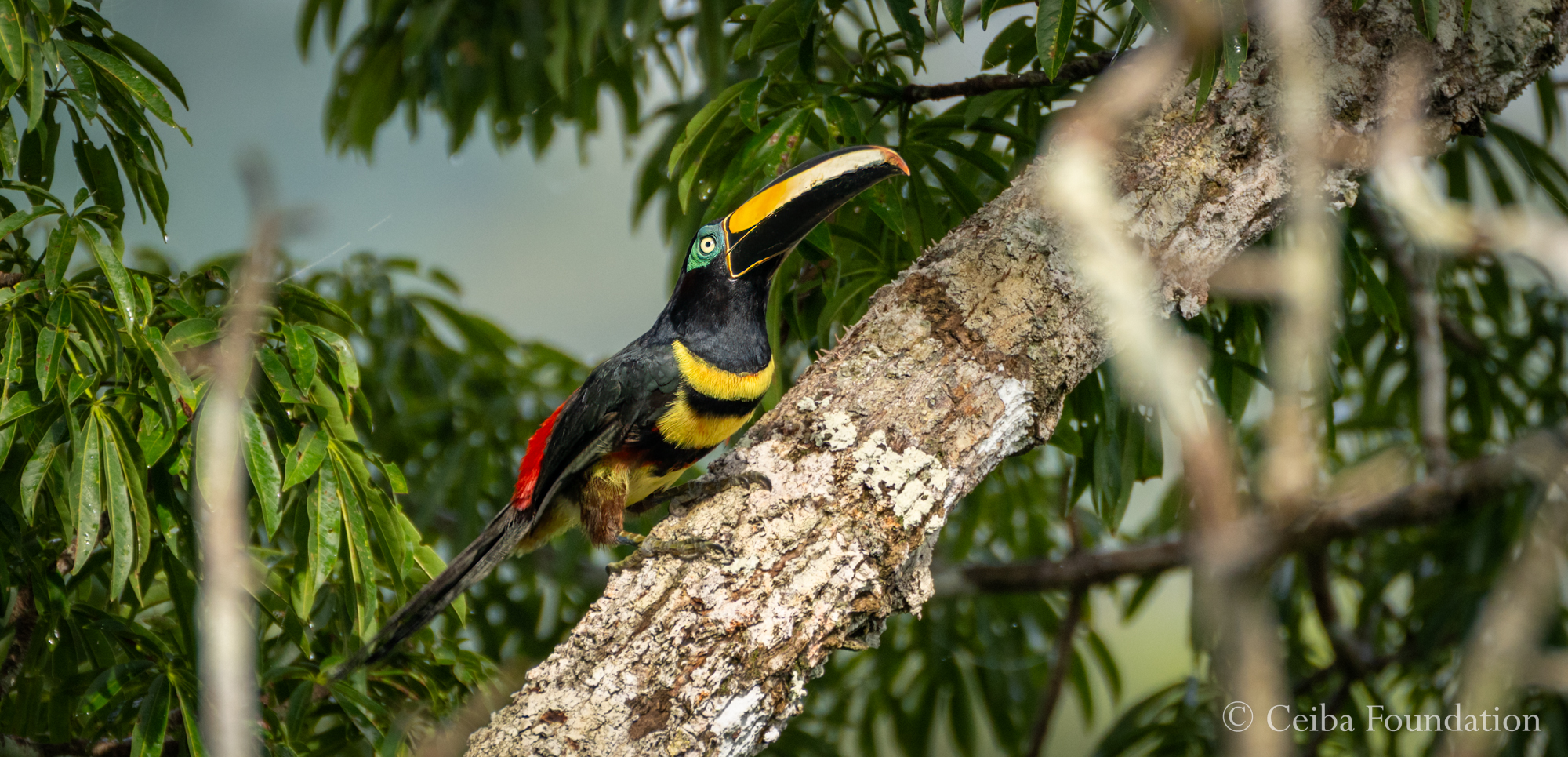
Another morning in the rainforest canopy, and another spectacle of color and wildlife. What views over the top of the forest, as the mist of the morning rises and melts away in the sunshine. A curious, and noisy, pack of Araçaris (a Brazilian name for smaller toucans dominated by black and yellow colors) came through our Ceiba tree, and set about posing in the morning light. Check out the amazing blue skin around the eye!
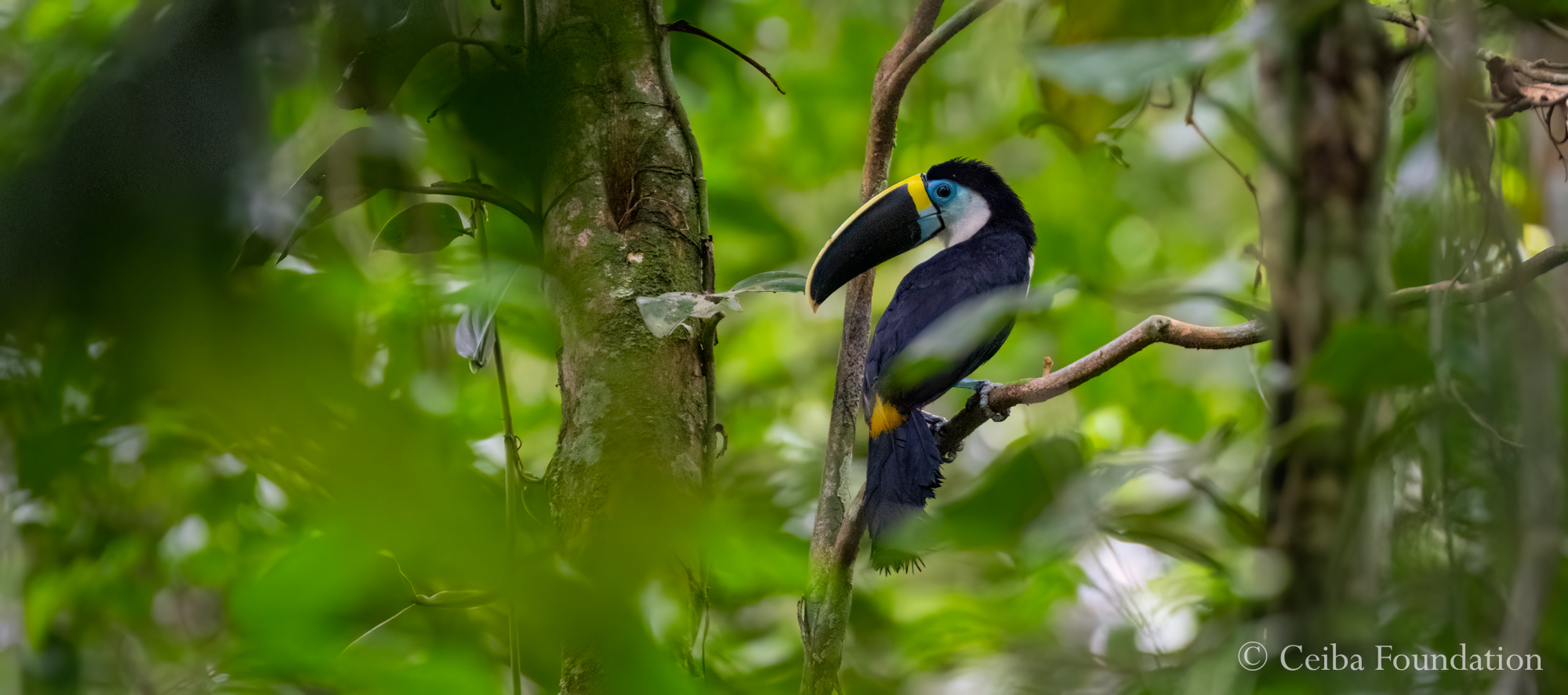
We heard some larger toucans from up high, but actually caught a glimpse of this huge White-throated Toucan down in the understory. It was perched near a tree cavity ground -- very important housing opportunities in a rainforest -- where it surely had a nest.
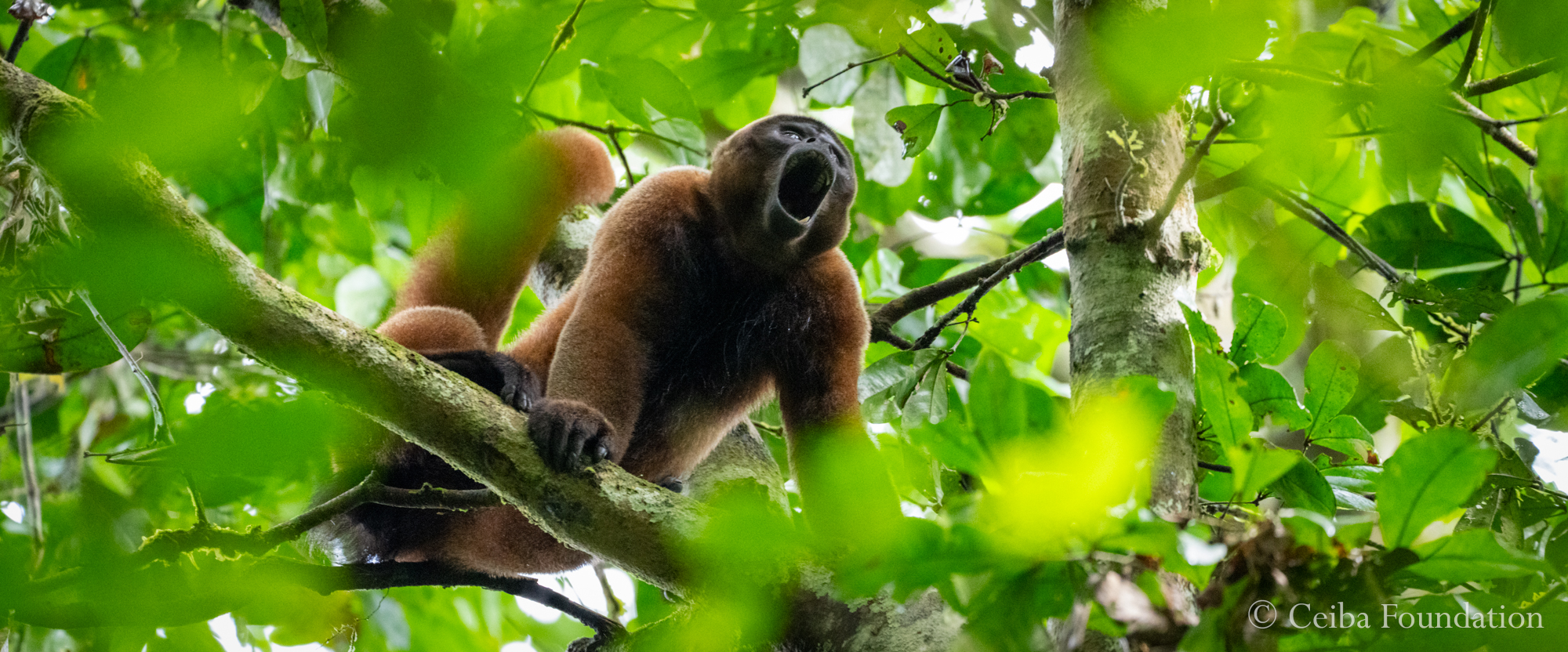
Everyone's stomachs were growling, so we turned onto the path back to camp, where hot soup (always a mainstay of any Ecuadorian lunch) and a full plate awaited us. But as luck would have it -- and it always seems like we have the best wildlife sightings just when we are dashing back for a meal -- we ran across a small troop of Common woolly monkeys. They are large for a tropical primate, and make a ton of noise as the leap and dash through the forest, crashing leaves and dropping fruits as they go. One peered down curiously at us.
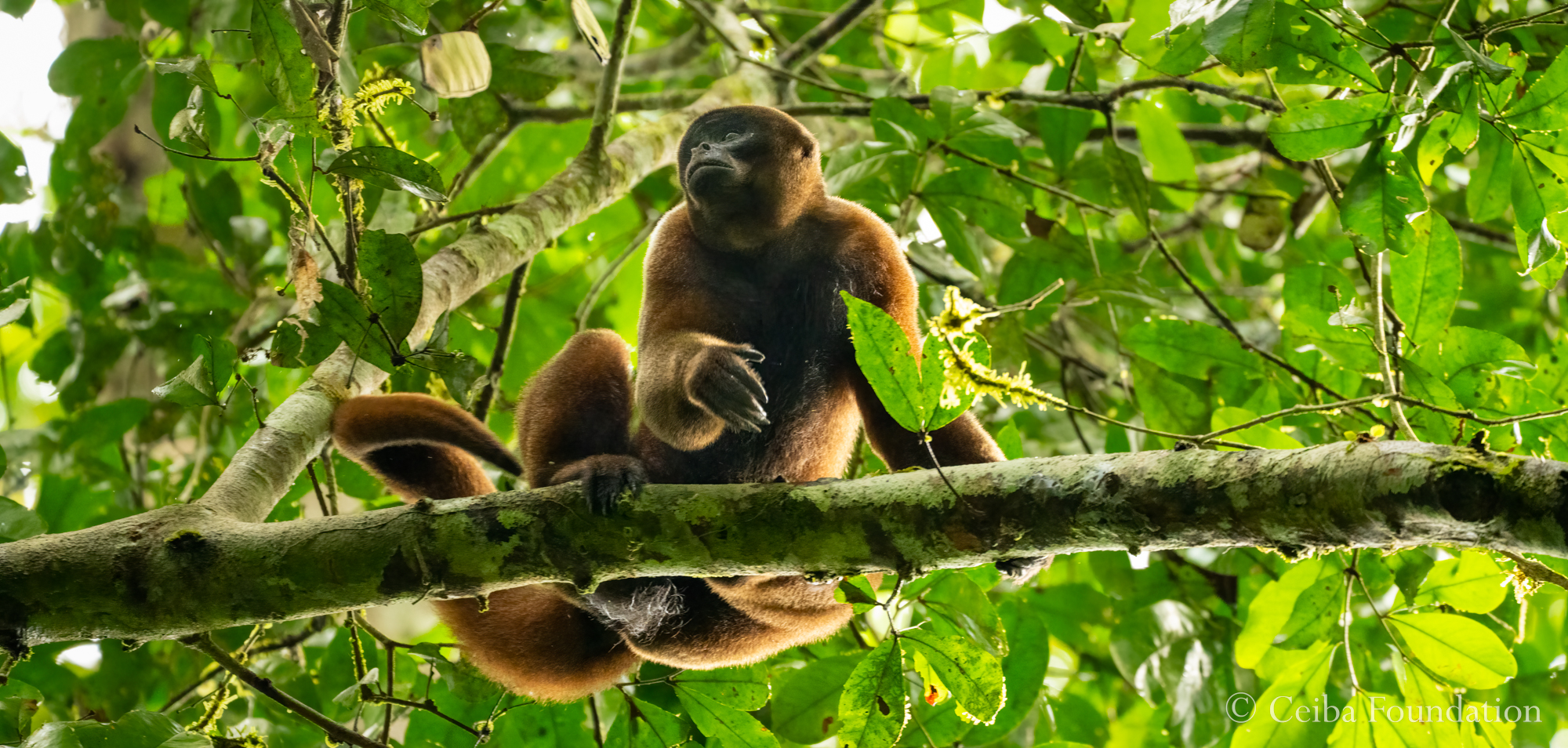
When we reached a point where filling our empty stomachs felt more important than watching more monkeys, we headed off. The monkeys must have been equally bored with us, as this one bid us farewell with a huge yawn.
They Call It Cloud Forest, But It Rained All the Time
After a few day trips to get used to traveling, we undertook a full-scale expedition to the cloud forest on the eastern flanks of the Andes. First stop, the El Pahuma Orchid Reserve, then to the stunning Bellavista Cloud Forest Lodge, and finally to the Intillacta Reserve. Between 2000 and 1500 meters of elevation (6500-5000 ft), the mountains are crowned by ridges and cleaved by stream valleys, painted by waterfalls, and carpeted in dense forest itself cloaked by damp moss. It's an entrancing environment, where you feel like a hobbit, or perhaps a dinosaur, could jump out from behind a shrub at any moment! But instead, we got a giant worm!
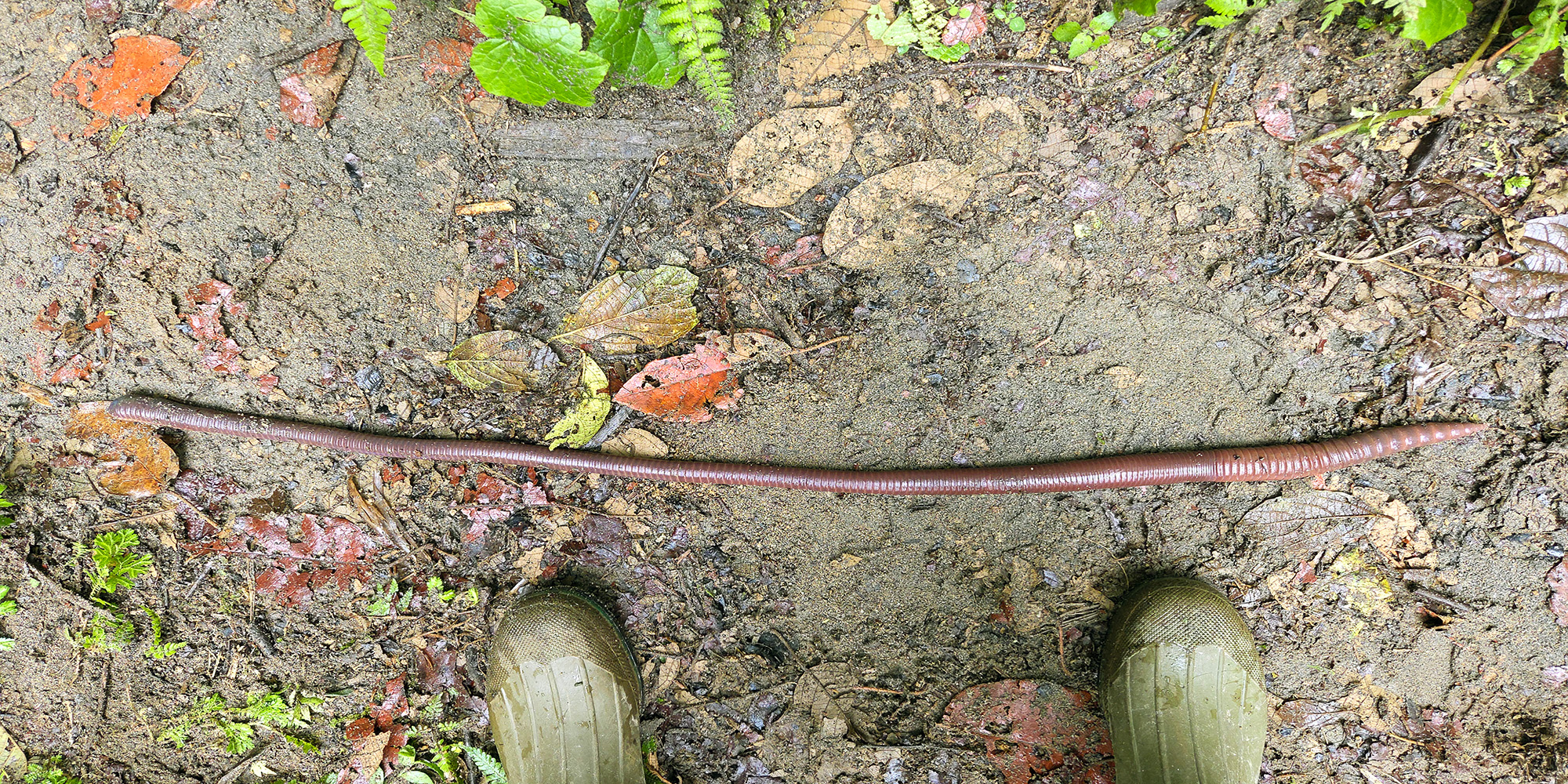
After measuring its length -- a whopping 4 feet! -- the worm got enthusiastic and started chasing us. Well, slowly enough not to be very frightening, in fact it's kind of adorable (perhaps only to a vermeologist):
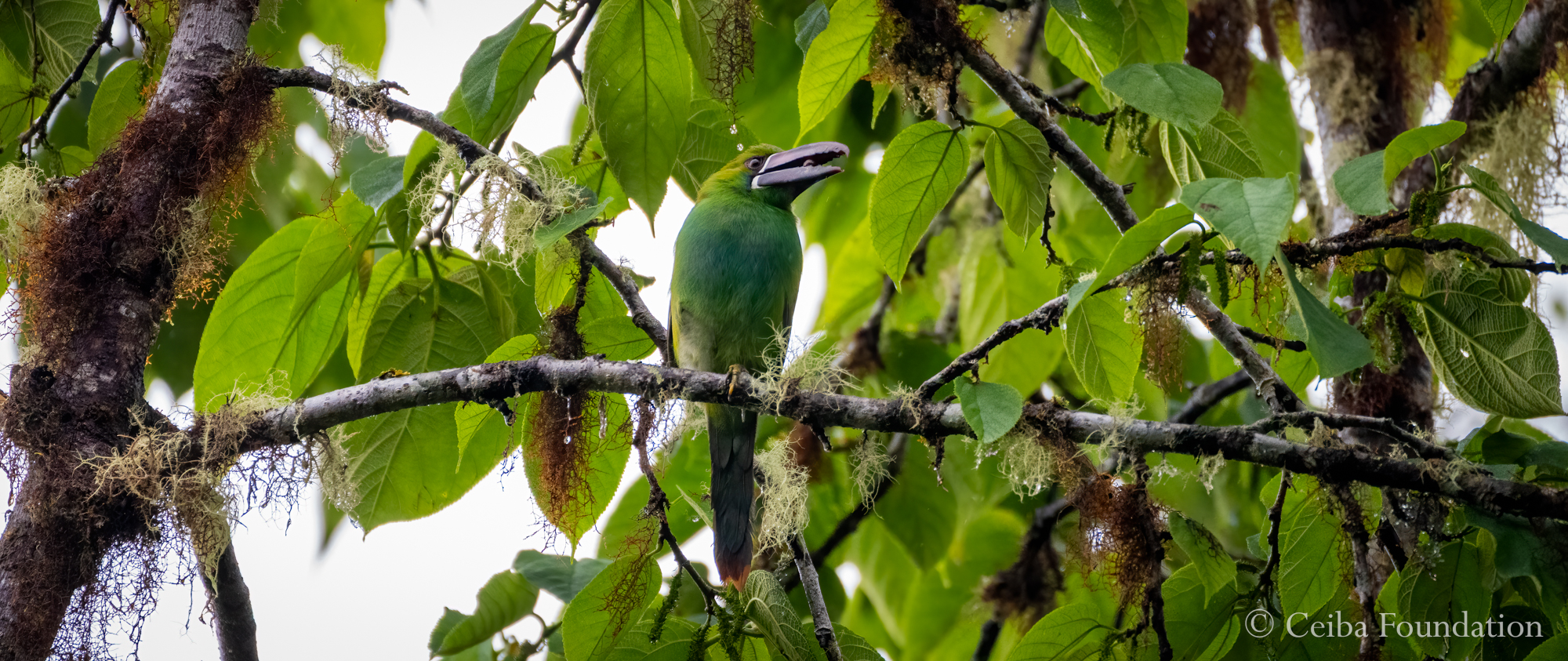
After that shock, we settled in for some terrific birdwatching. The cloud forest is full of fruits and flowers, and the reserve puts out bananas to attract a few more species. For the first time in a long while, I saw a Crimson-rumped Toucanet, who was just coughing up a seed from a recent meal:
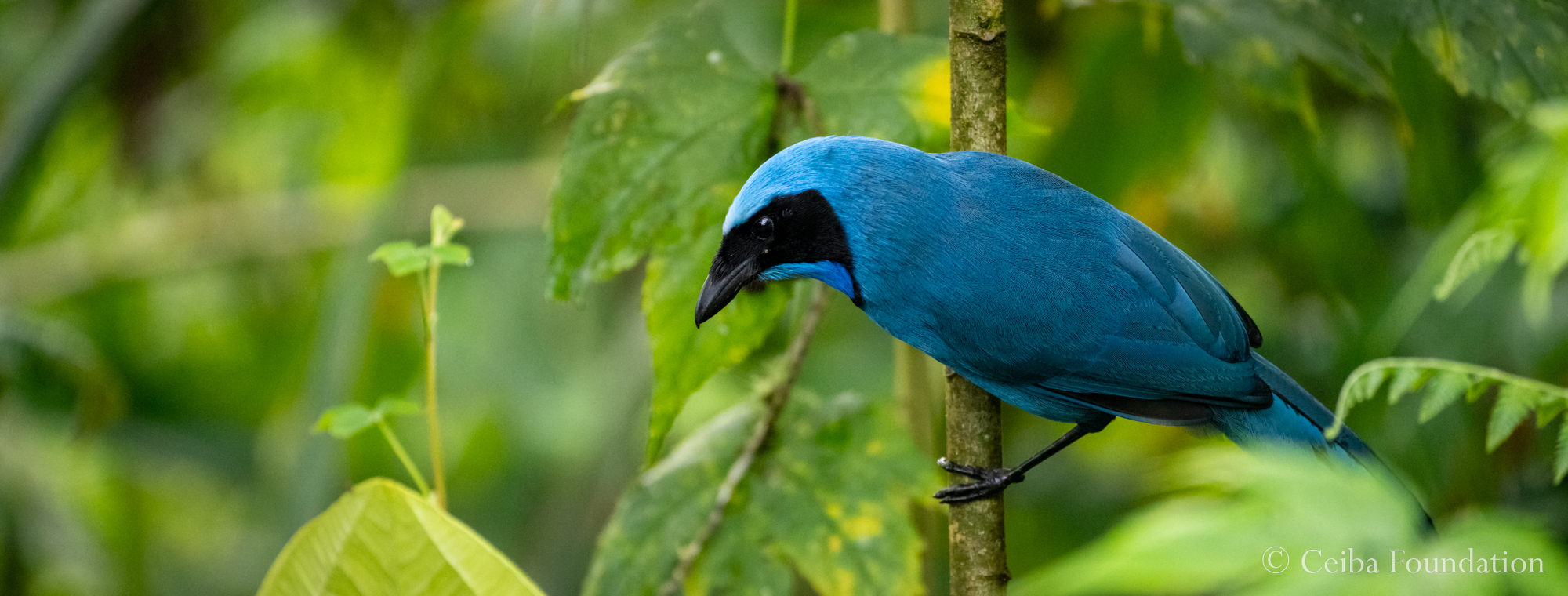
Inquisitive, insistent, and muscular Turquoise Jays rambled about in noisy packs, harassing the smaller birds and stealing moths and beetles from a nearby insect trap:
Once the jays departed -- like a street gang rolling out of town on roaring motorcycles -- the beautiful birds came out to feed, like this aptly named Flame-faced Tanager:
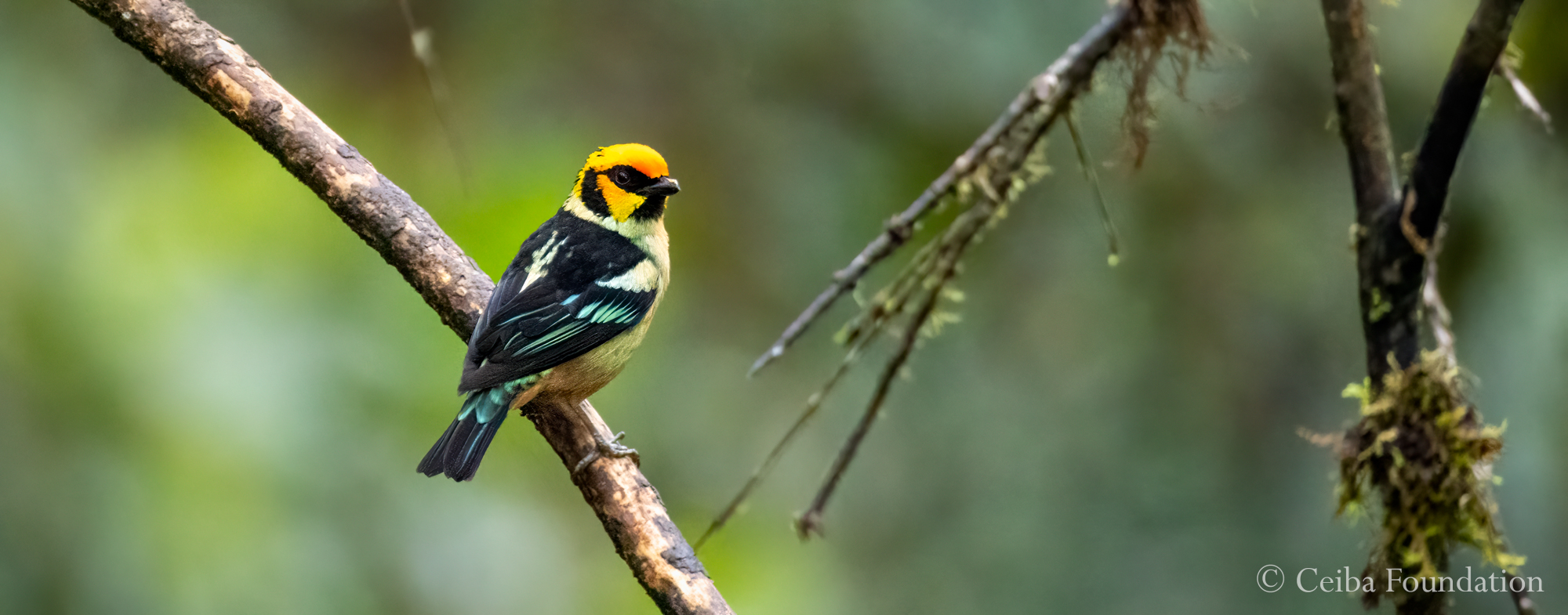
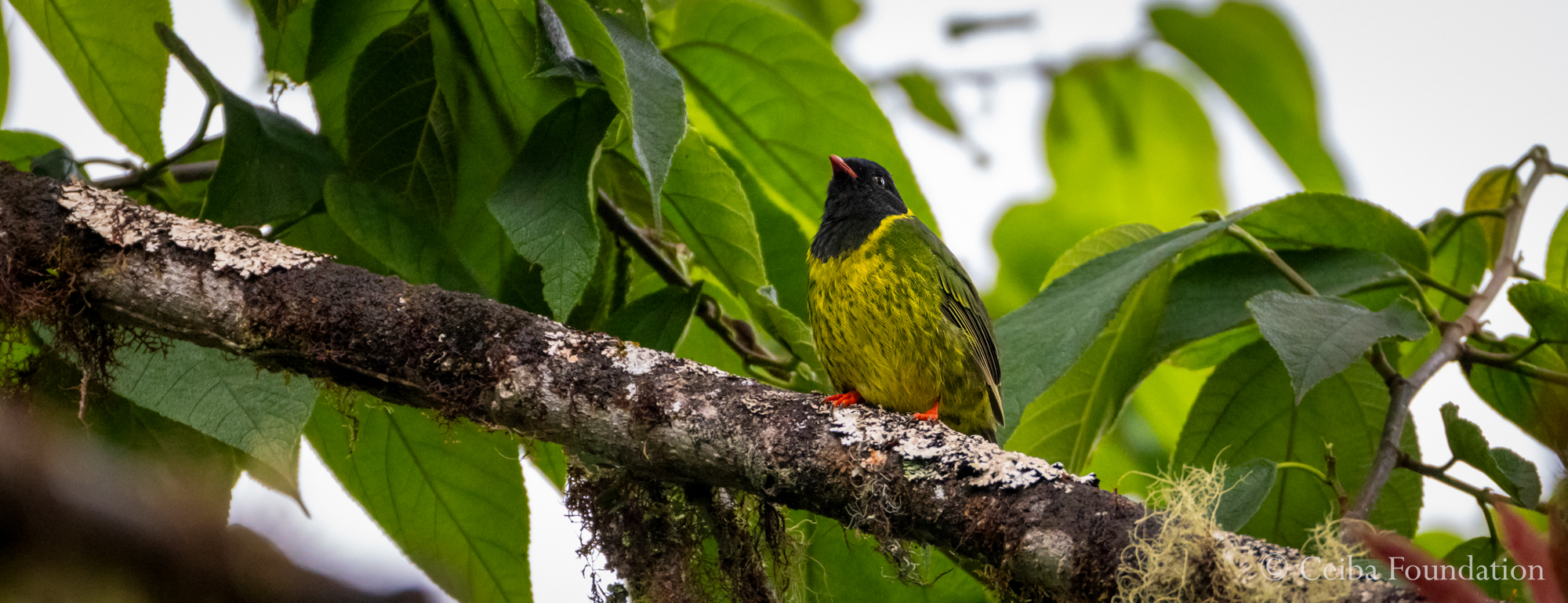
While we watched the tanagers feed, an eagle-eyed student caught a glimpse of green and gold in the trees, and there we found a rare denizen of the cloud forest, a Scaled Fruiteater perched quietly and showing off his coral-colored feet:
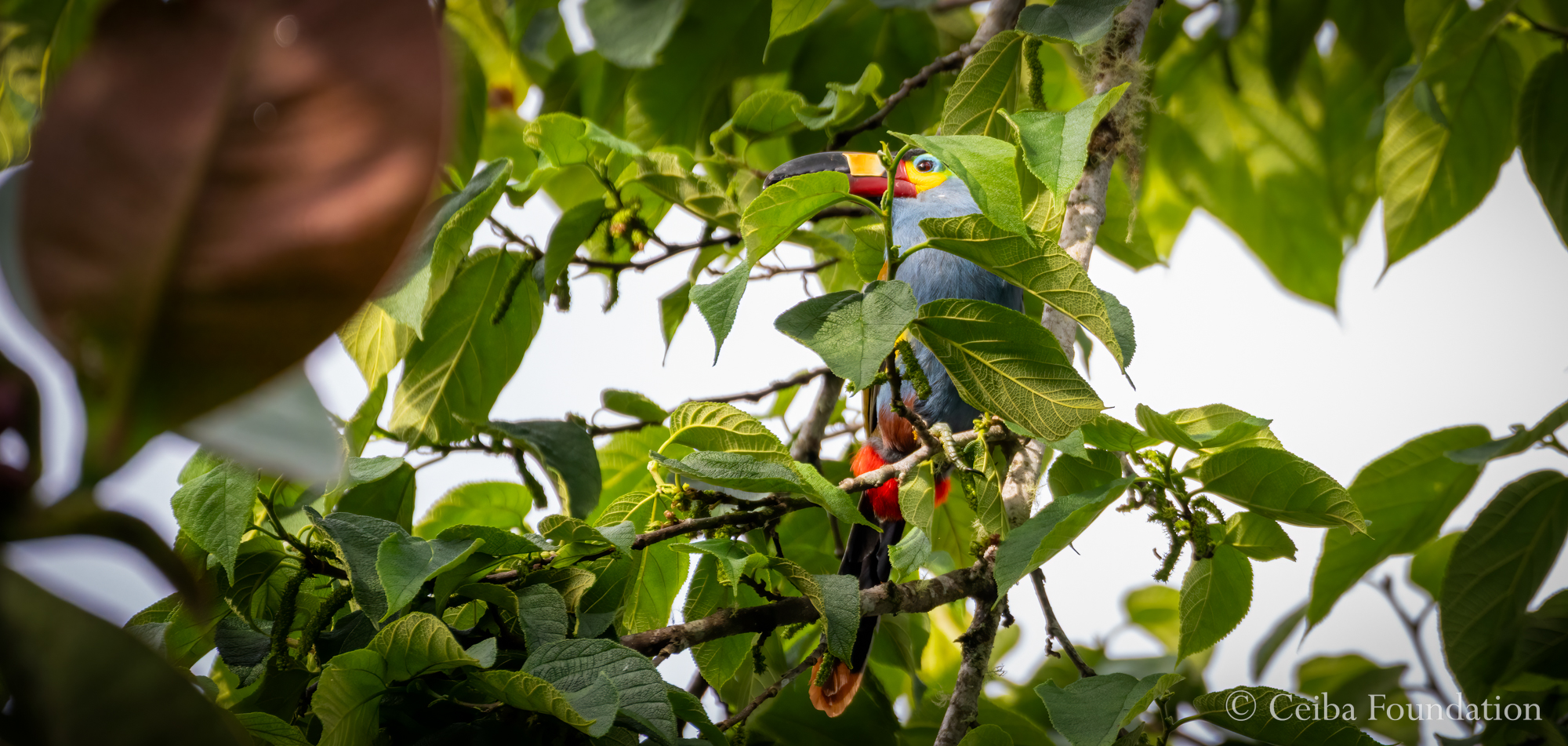
Next to the fruiteater, tucked in quietly amidst the leaves, I spied an even more famous resident of these misty mountains, the impressive Plate-billed Mountain-Toucan. Somehow this photo gives a real sense of what birdwatching can be like in such dense forests -- sometimes you only can catch a glimpse:
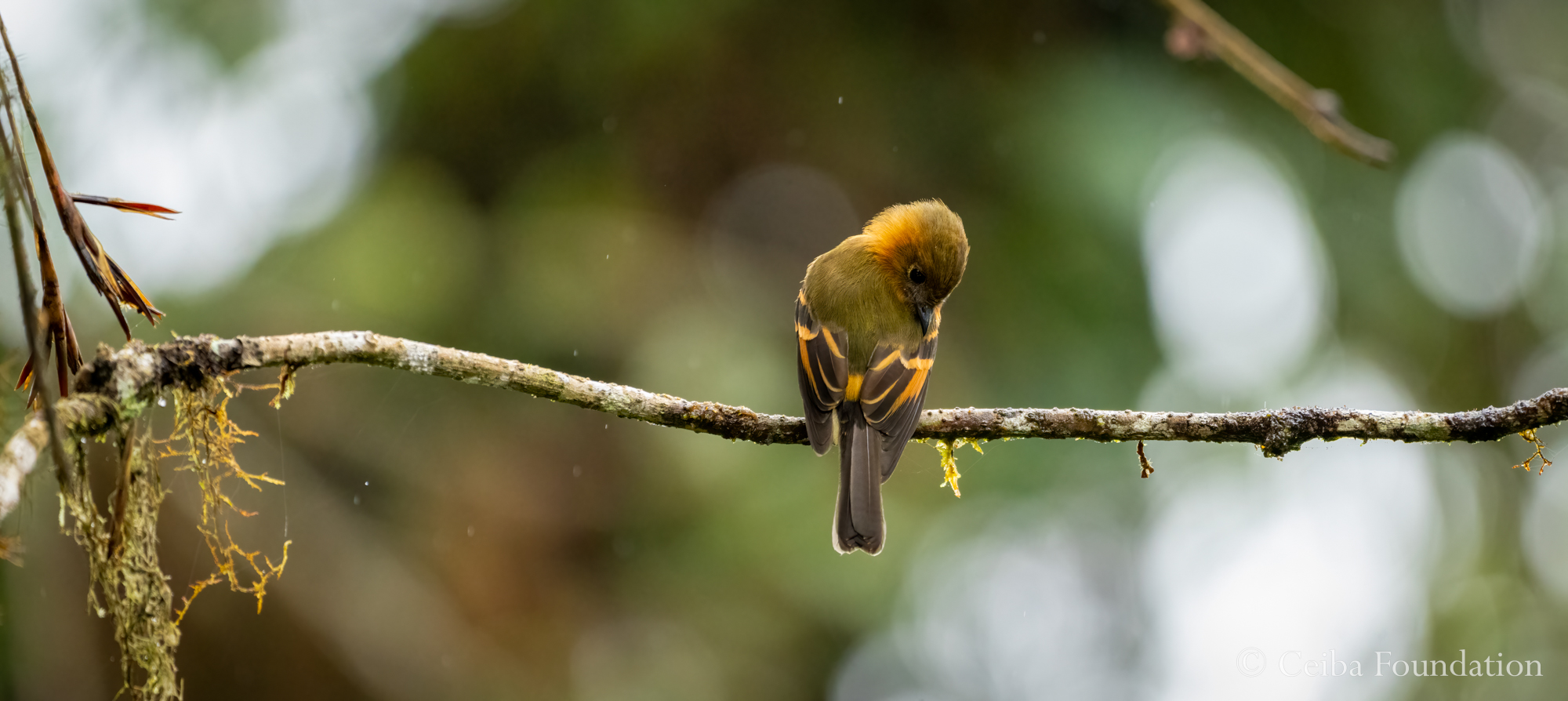
The rains began to pick up, spoiling (or at least moistening) an otherwise delightful morning. But not before an attractively colored Cinnamon Flycatcher swung by to eat a few bugs before flying back into the protective umbrella of the forest:
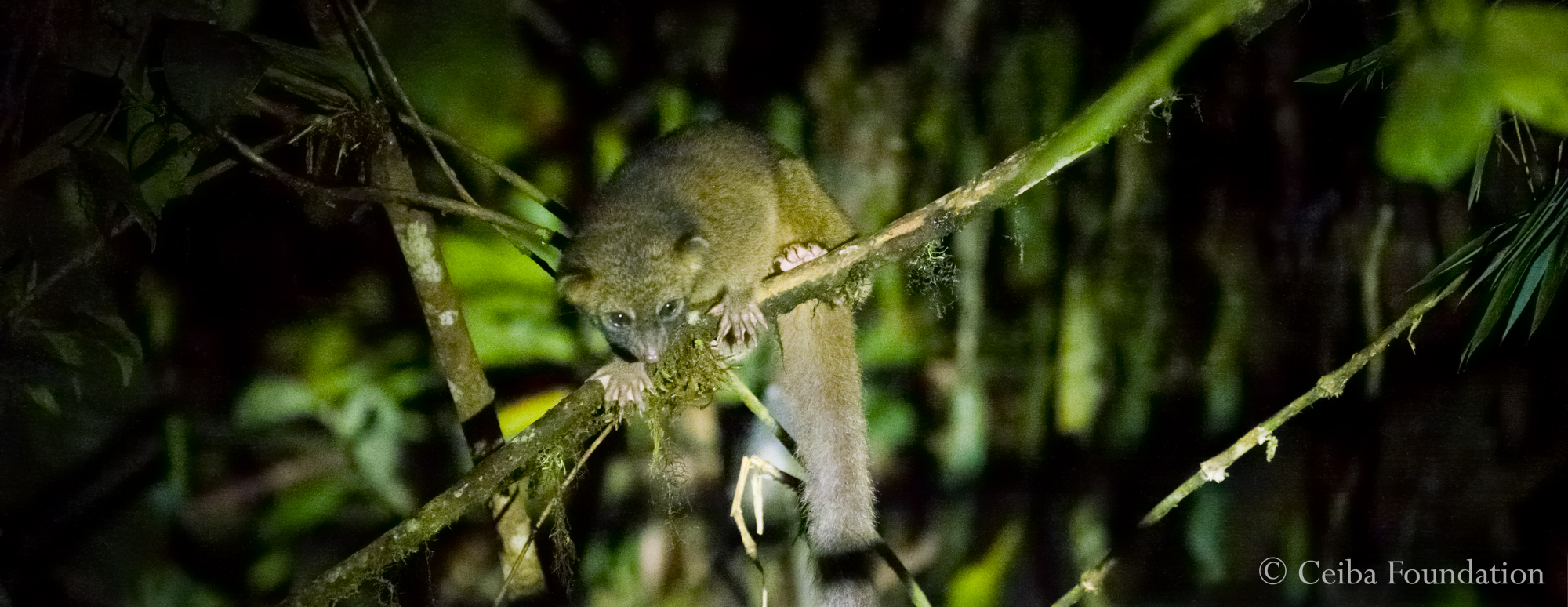
Bellavista Cloud Forest Lodge, which I highly recommend to any nature lovers, became particularly famous a few years ago, when the Smithsonian discovered a new species of arboreal fruit eating mammal, the Olinguito, which happens to be quite common at the lodge. A relative of raccoons, they only foraging at night and in the trees, but they've learned to come by the lodge and snag a banana or two that the staff leave for them. We actually saw the little Olinguito on all three nights, and despite the pitch-black and rainy evenings, I managed a couple of grainy but satisfying photos:
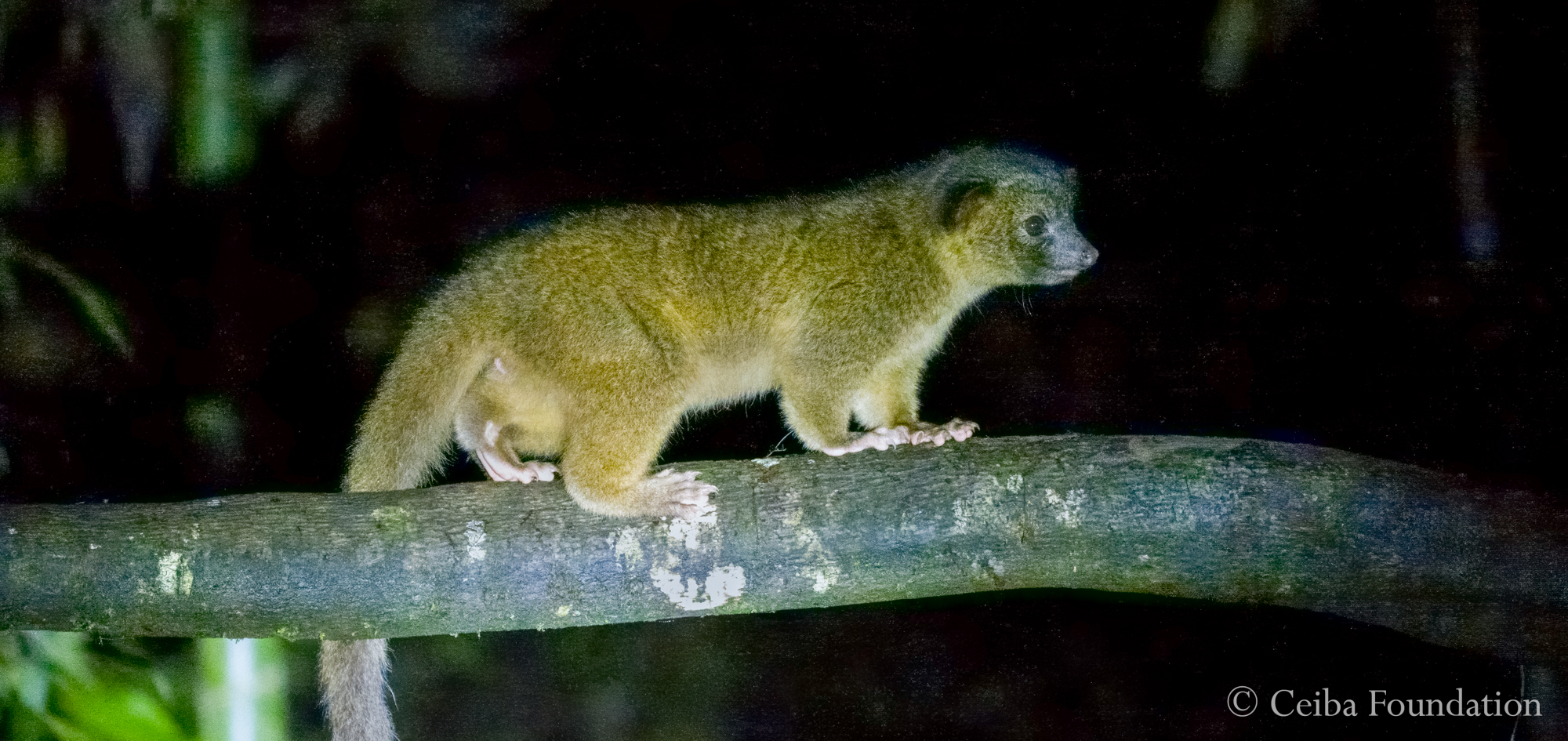
On looking more closely at these pictures, I saw this creature has notably webbed feet, which I still don't quite understand. Local guide Gabbo feels they help with all that climbing, but I am not yet convinced. A mystery remains!
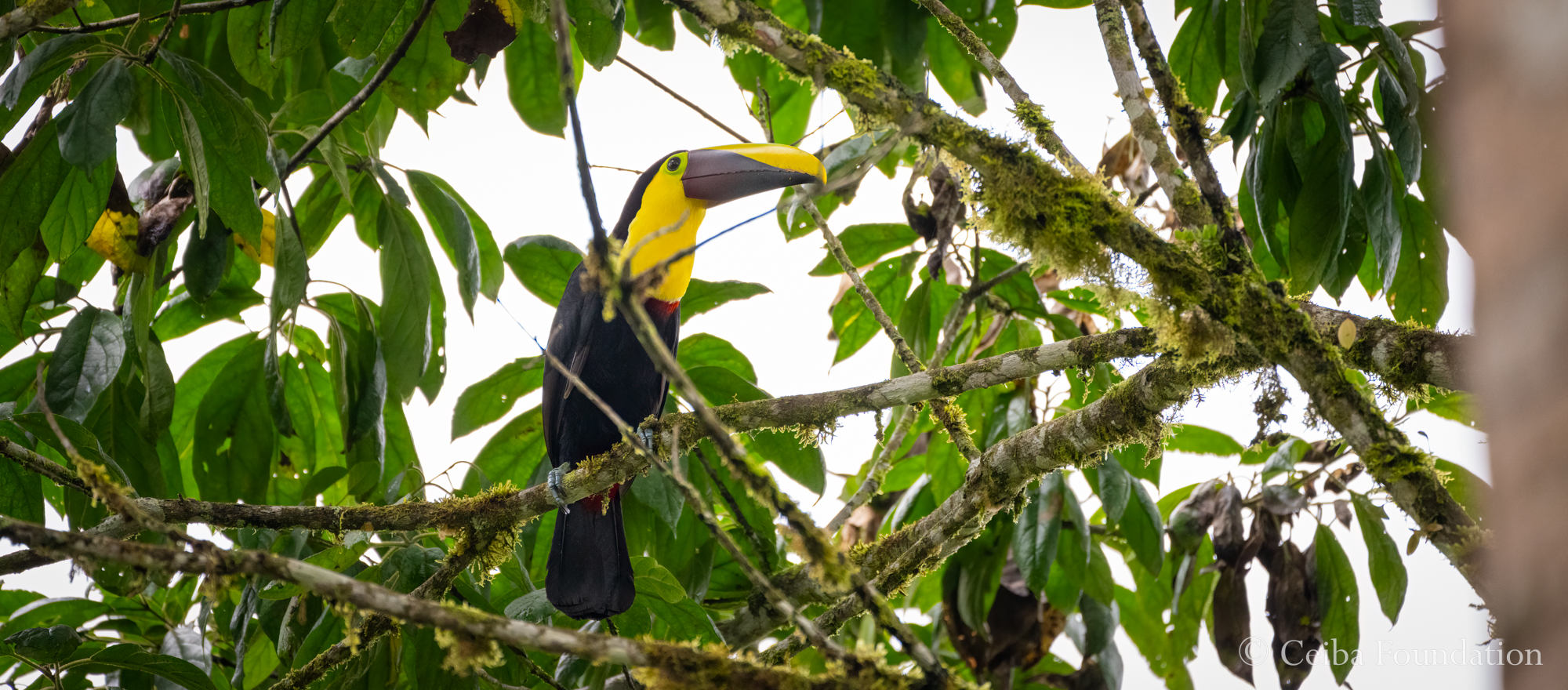
From Bellavista, we descended into the foothills of the Andes to the ecotourism village of Mindo. There, the steamy tropical lowlands meet the misty mountain slopes, and the bird fauna is a mix of both warm and cold weather species. Here, to round out our tour of toucans, is a Chocó Toucan, characteristic of the Pacific coastal forests:
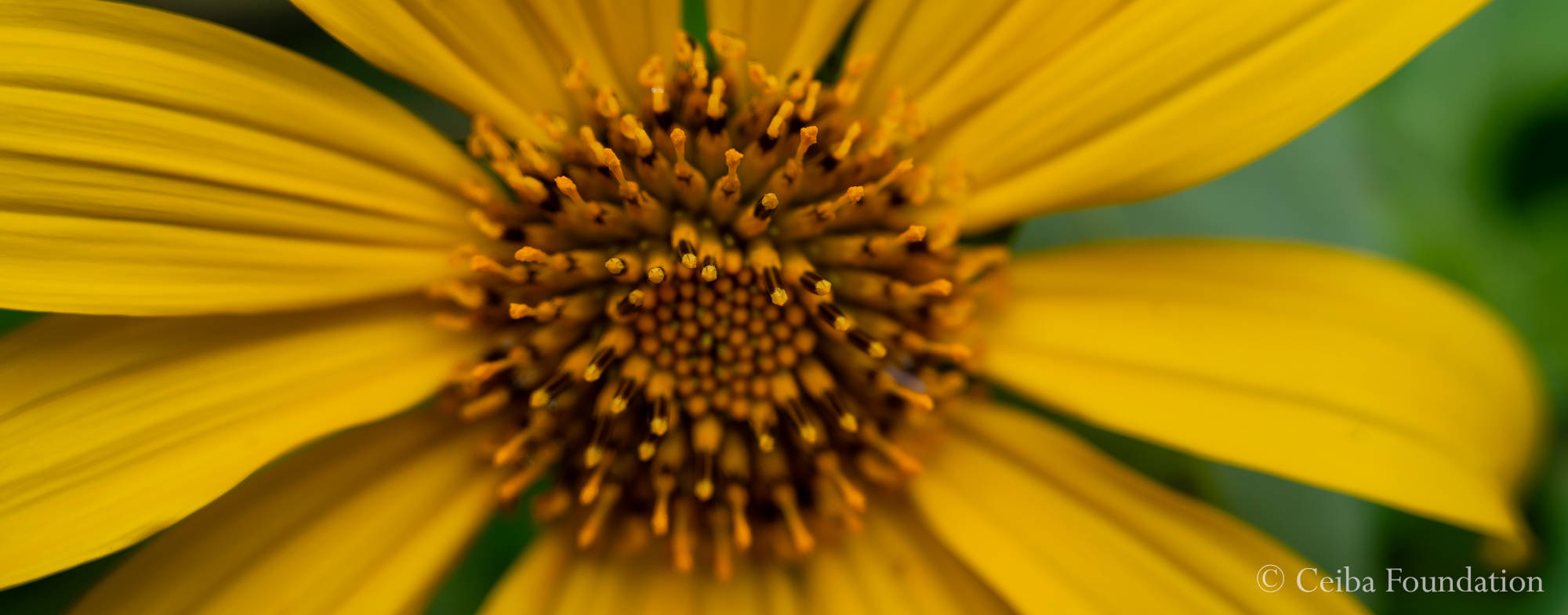
Enough about birds, now on to flowers and bugs! I paused to take some 'arty' close-focus pics of a gorgeous, large daisy:
And as I looked among the petals, I spotted a tiny bug with what looked for all the world like an elephant's trunk held aloft! On closer inspection, it turned out to be a somewhat obscure planthopper -- bugs that make their living by sucking plant juices, then springing like a catapault to safety when menaced -- probably in the genus Lappida, but for our purposes I'll be calling in Pointy-Headed Buglet:
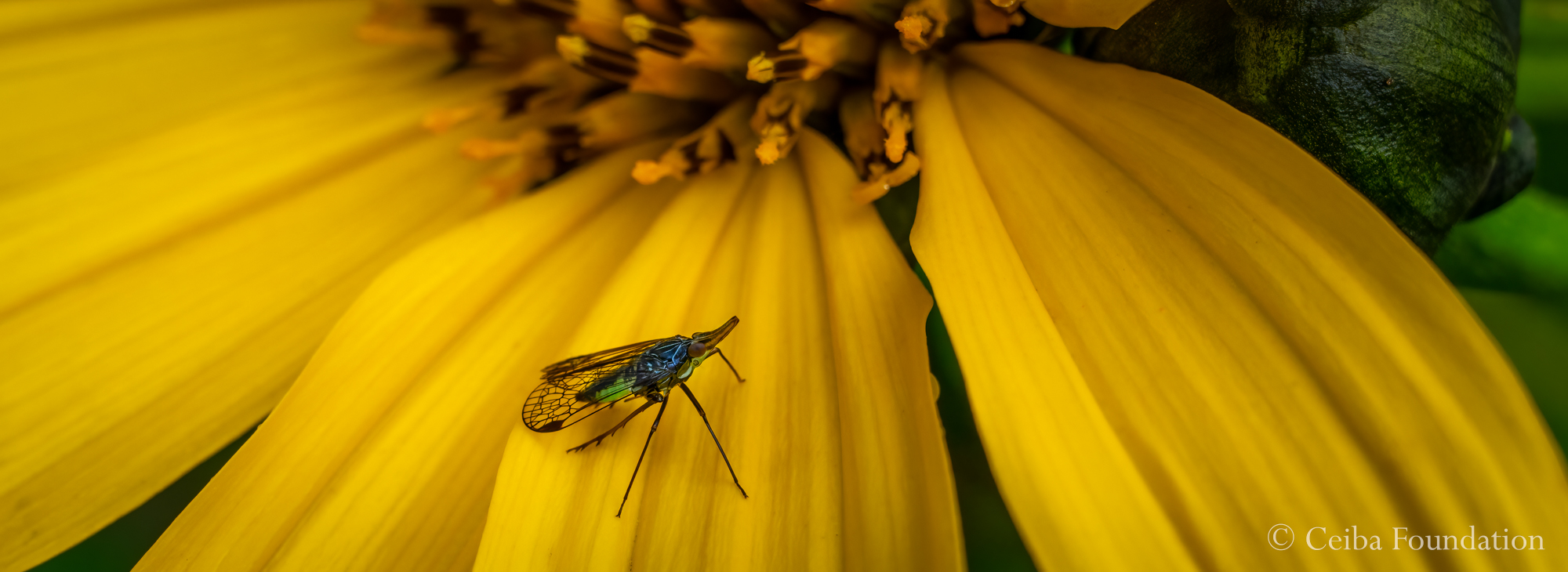
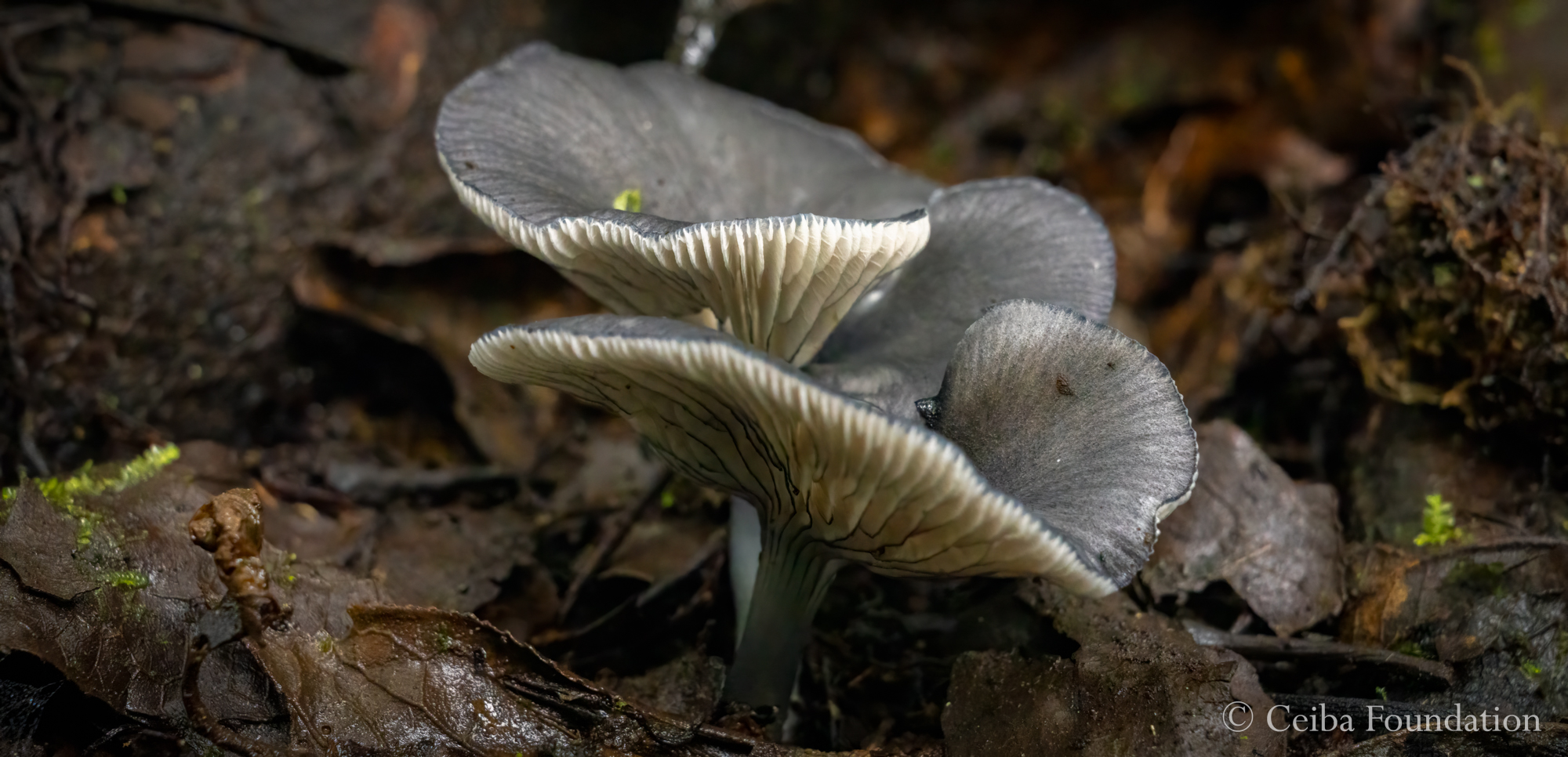
That little bug wrapped up my tour of the cloud forest, and with a smile on my face I returned home to a cold beer, a warm bed, and tropical sunshine to wash and dry my damp and muddy clothes. Oh wait, one more photo -- here's a beautiful gray mushroom, emerging from the leaf litter, for my cousin Ollie who is super duper into mushrooms!
Next up, a week of campus classes, then we'll be heading to the Amazon Rainforest! Until then, read below about this year's first trip, up above treeline in the eastern cordillera of the Andes.
Rain, Wind, and Cold: Life Above Treeline
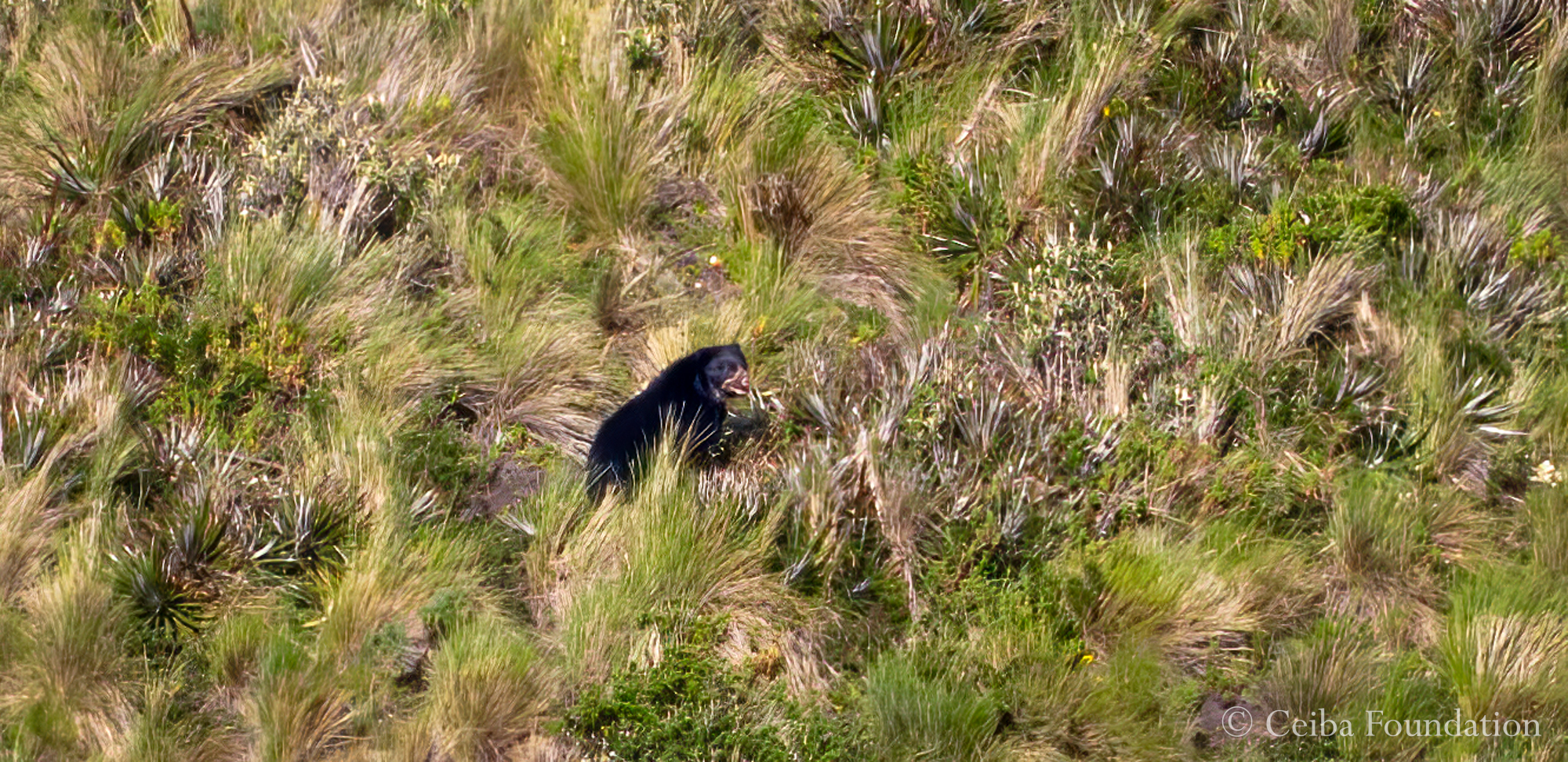
I set out with my students on our first field trip, driving from our sunny and warm village of Cumbayá up to the ridge of the Andes' eastern Cordillera. Our destination: Cayambe-Coca National Park, an undulating expanse of high alpine ecosystems, home to unique birds, mammals, and plants. Along the way we stopped to search a distant hillside for Spectacled Bears (Tremarctos ornatus), and were rewarded by spying three with our binoculars! They were pretty darn far away, but I could at least get a decent zoomed-in photo:
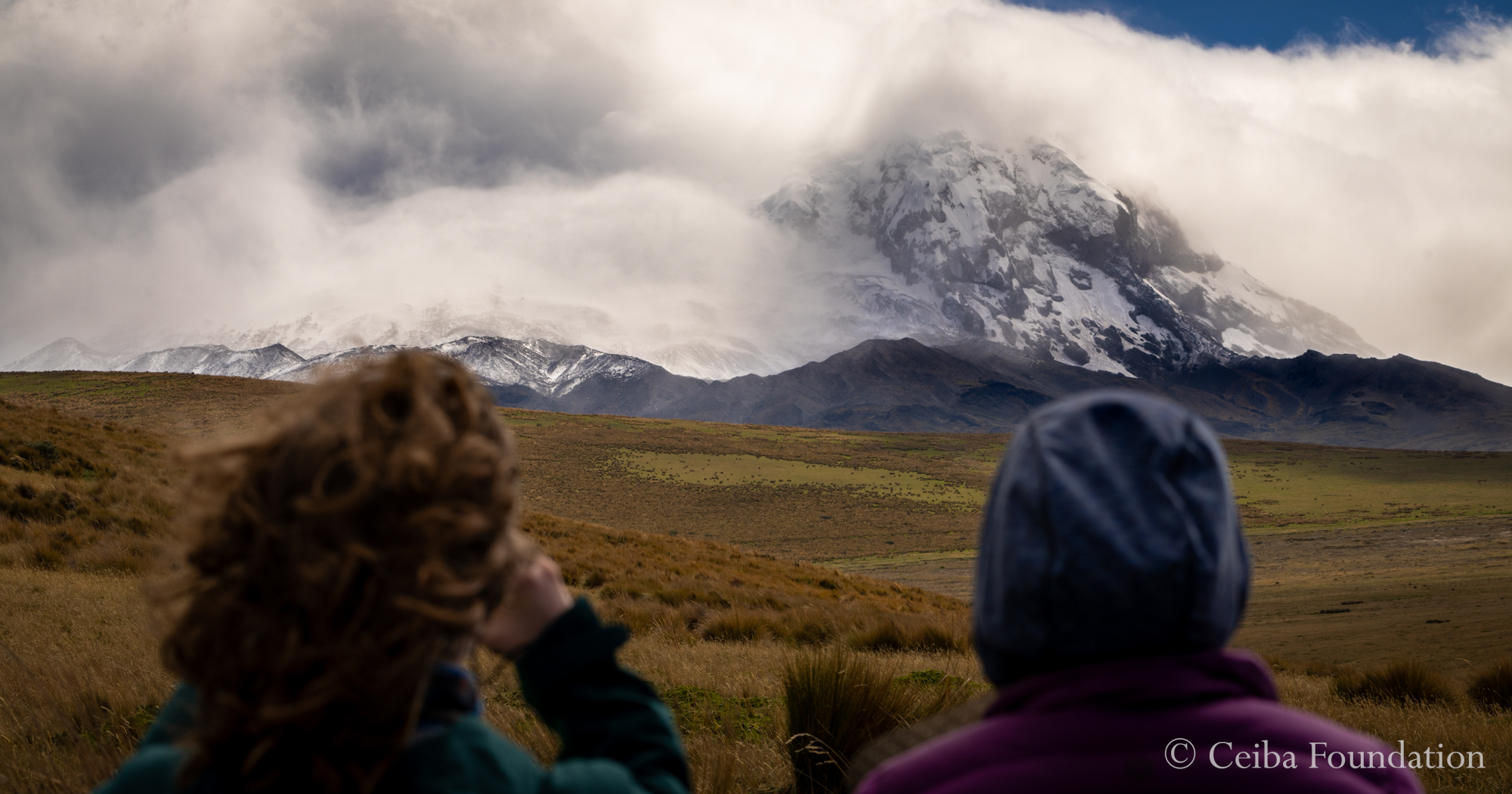
After that, the skies opened up and we were rained on pretty much the entire day! So, no photos, sad! Not to worry, though, the following morning we again climbed the mountains -- in a noticeably tinier bus (hi, neighbor!) -- and entered Antisana Ecological Reserve, named for the immense glaciated mountain at it's heart:
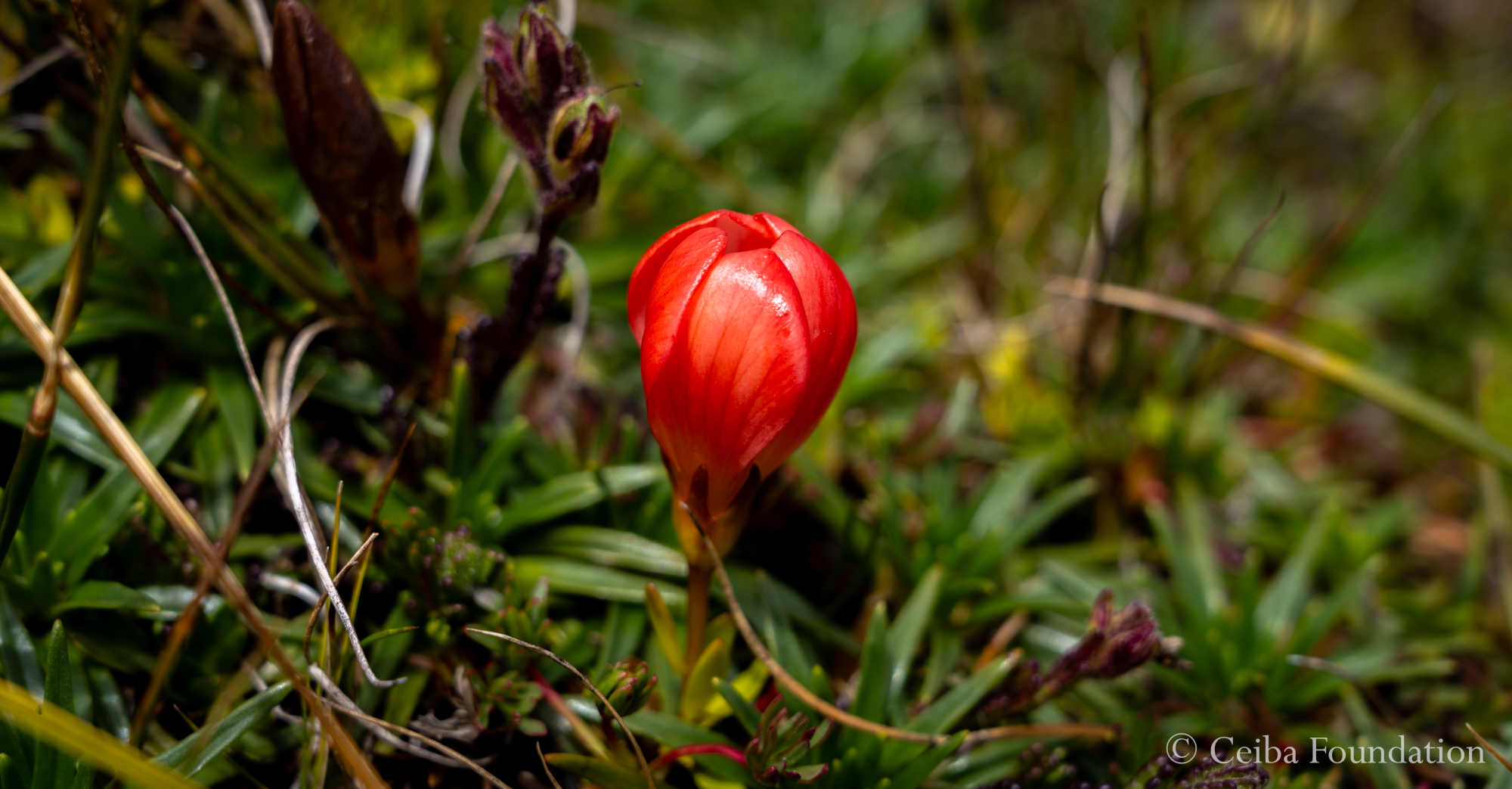
Andean condors have a stronghold here, and we saw maybe a dozen of them (that's about 10% of the entire country's population!), but I had no luck with photographs. Then a bitter wind set in, and I had to entertain myself searching for colorful plants. The paramo is positively adorned with brilliant pinpricks of color, as the ground-hugging plants cautiously send a tiny flower aloft to attract a pollinator. Among them, the brilliant "rose of the paramo", known to botanists as Gentianella rupicola:
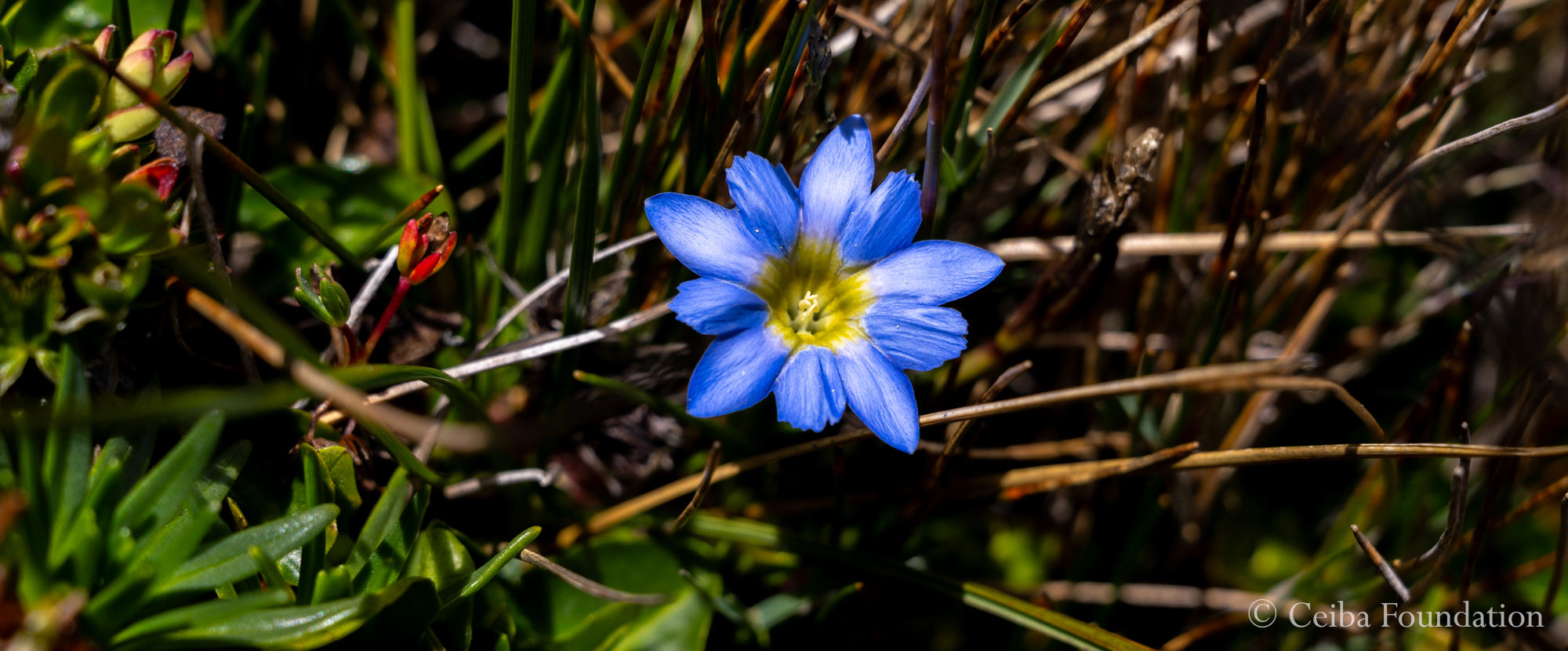
Another appealing flower that is commonly encountered is this blue Gentianella sedifolia:
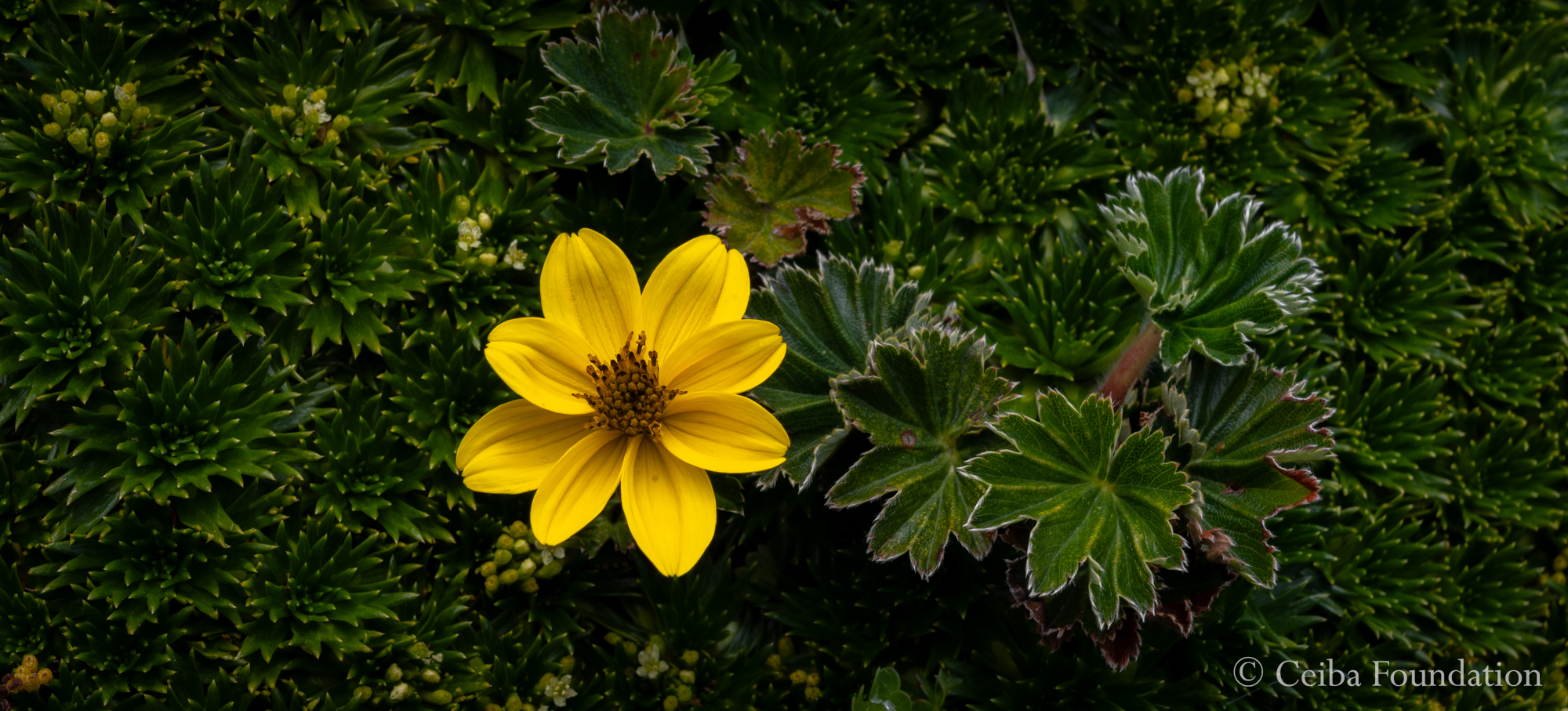
And rounding out the color palette is the brilliant yellow flower of Bidens andicola:
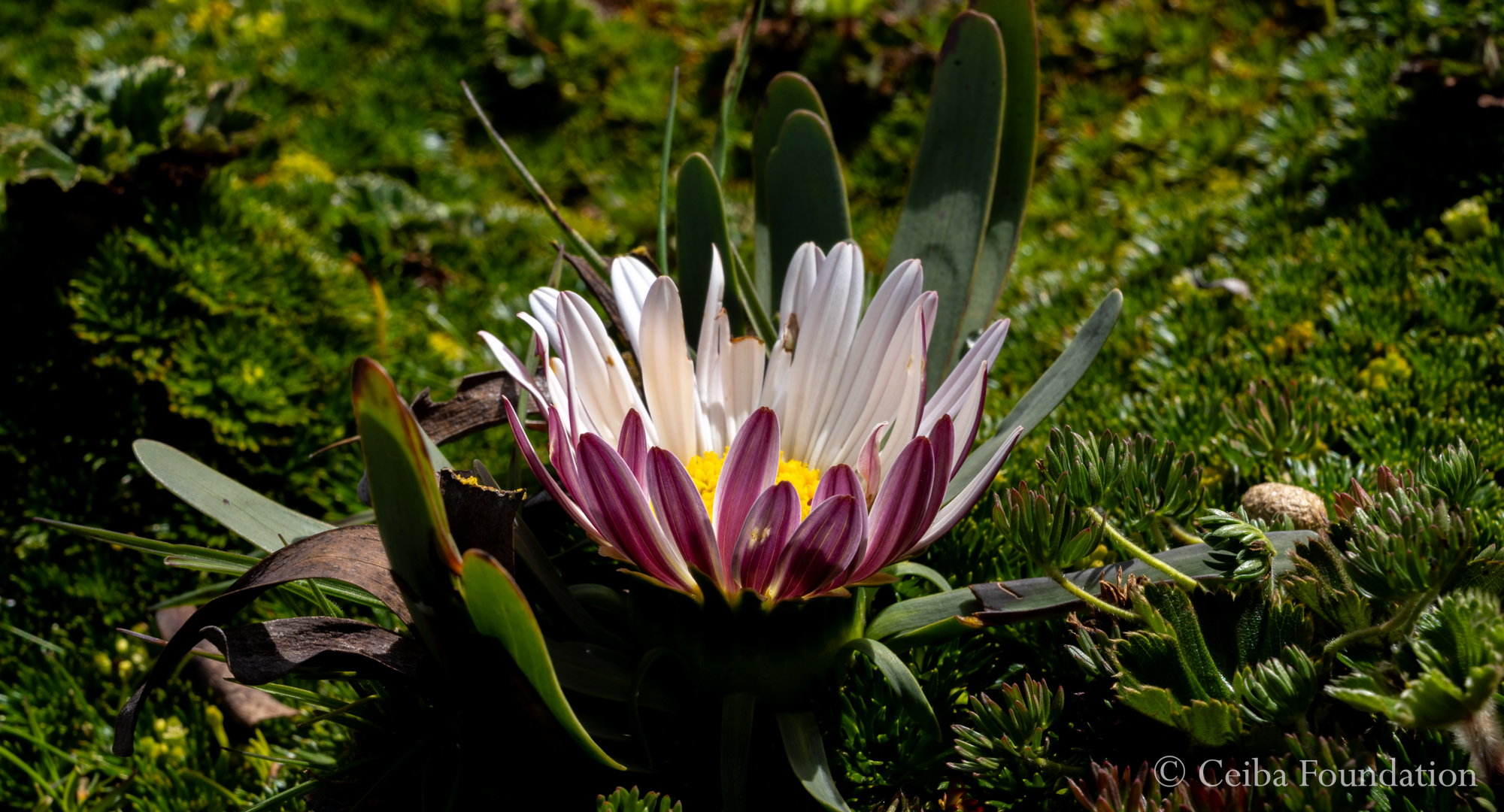
If you look carefully, some of the flowers even flash an extra color on the undersides of the petals, check out this ground-level view of a Werneria nubigena flower (in the dandelion family):
My students studiously surveyed plant biodiversity plots, counting all those adorable flowers and green little species, while braving the ceaseless wind. They all stayed very positive, and came away with lots of data, and a smile on their faces!
Amazingly, despite the blasting wind, freezing cold, driving rain, and searing UV light, there still are bees zooming industriously around the landscape pollinating these plants:
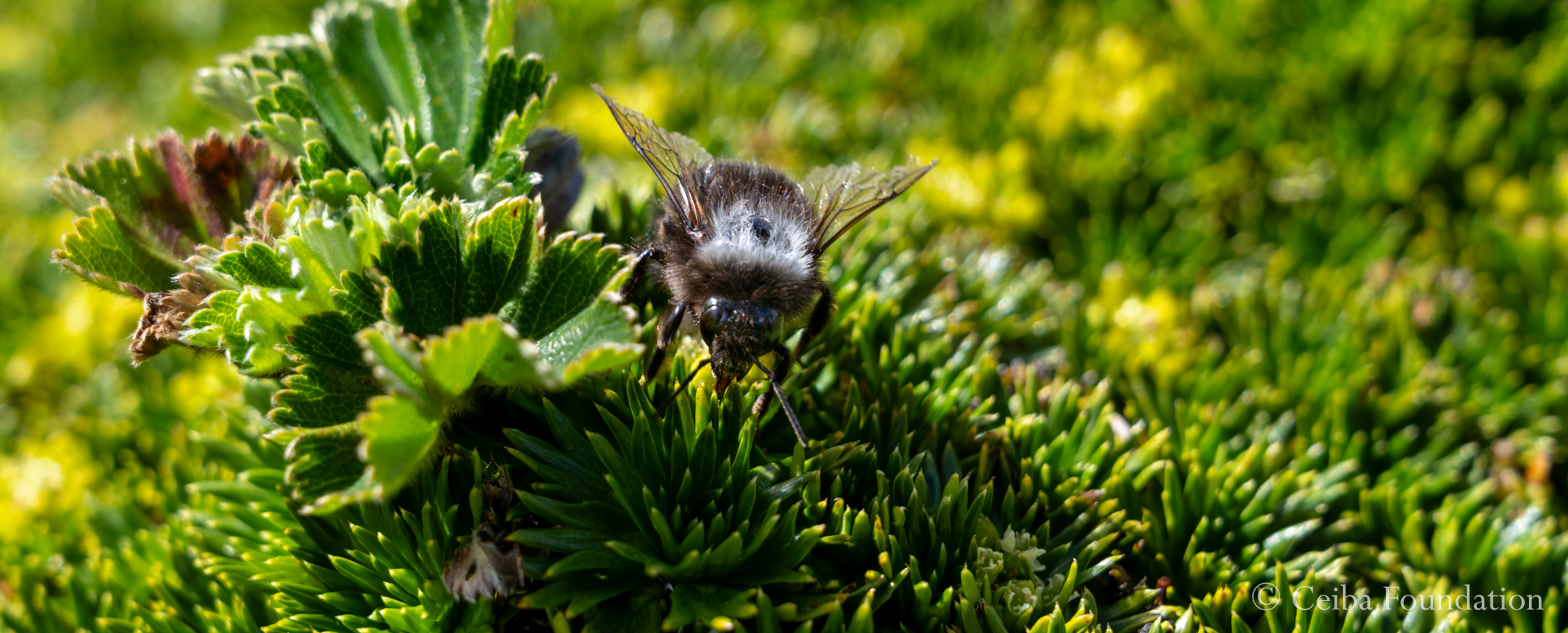
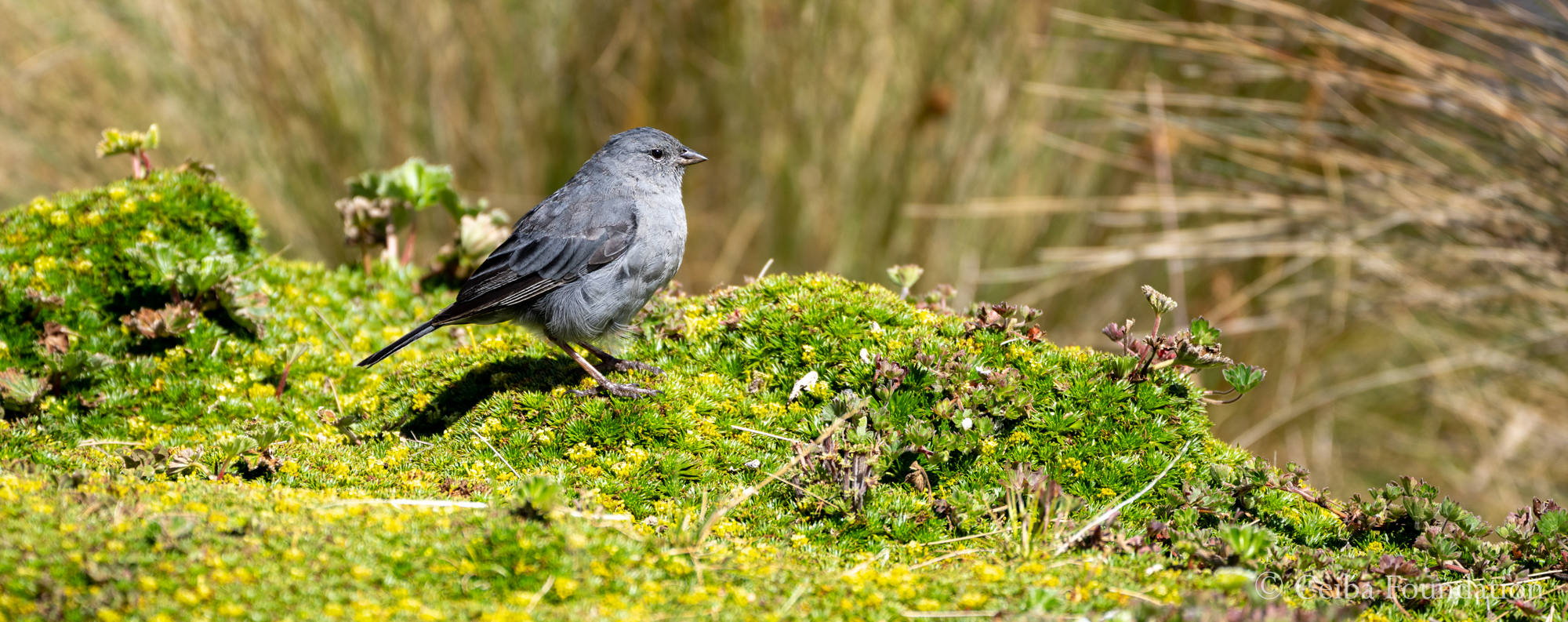
As you can see, the sun had come out, granting us all a respite from the chilly days we had so far endured in the paramo, and enticing the bees to go our searching for a meal. Birds began appearing as well, and in short order we had seen a Plumbeous Sierra-Finch (male):
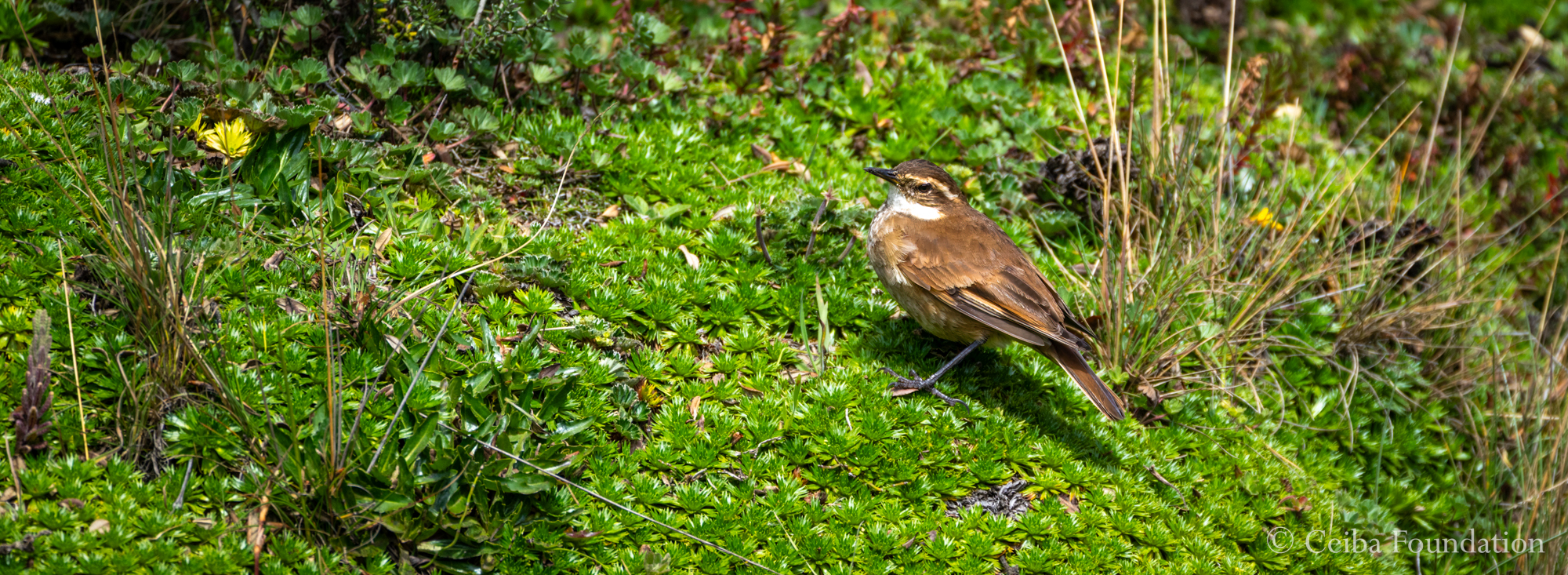
and a Bar-winged Cinclodes poking around the cushion plants in search of a cavity to nest in:
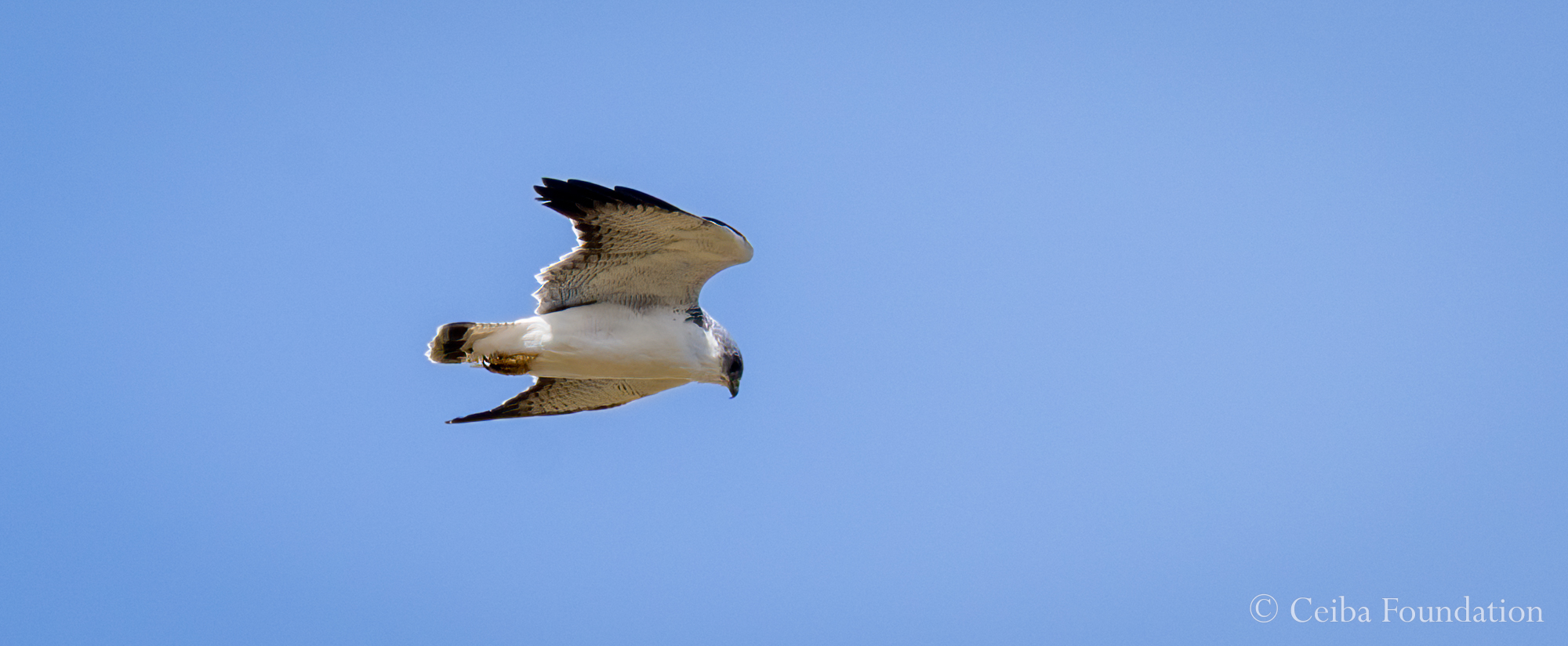
and even a Variable Hawk flying overhead in search of some prey:
We were all a bit tired from our exertions, both conducting science and keeping ourselves warm (and upbeat in spirit!), so a little lay-down seemed like a fine way to enjoy the sun before we returned home to hot showers and warm dinners.
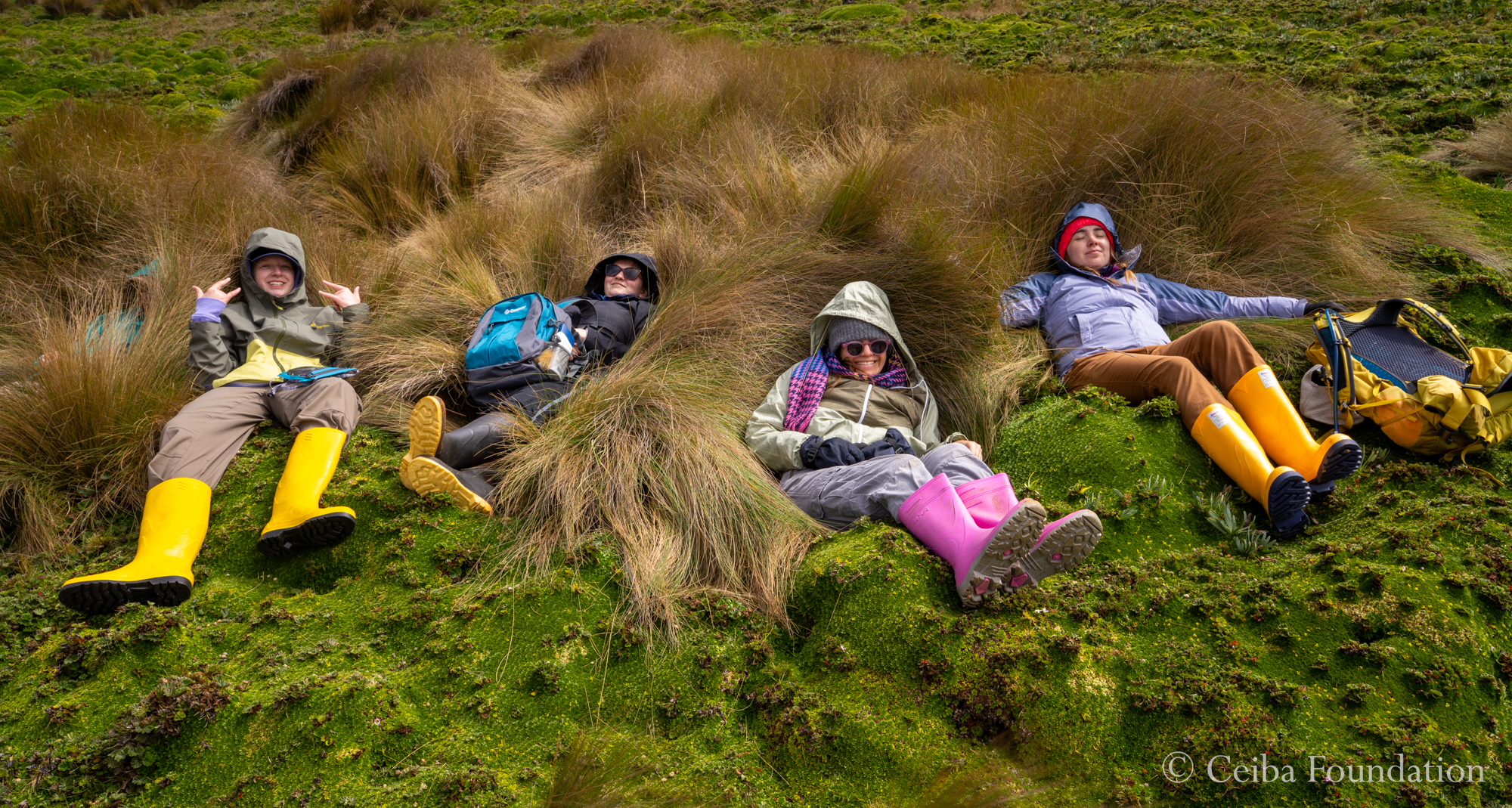
After our chilly days in the high Andes, we headed off to the cloud forest for a week of exploring mossy forests and searching for hummingbirds, toucans, tanagers, and much more! Since I'm posting these trips in chronological order, newest at the top, just jump up above to see that expedition. Or, enjoy some Amazon photos from last year, below.
Let's Look Back ... Last Year in the Amazon Rainforest
I spent two weeks in the Amazon, with Ceiba students at the Tiputini Biodiversity Station, in February of 2025. But somehow or other I never managed to post photos from that trip. We saw some amazing things, so it's worth revisiting that trip! Here are a few of the rainforest highlights (and see Ecuador 2025 for more from last year).
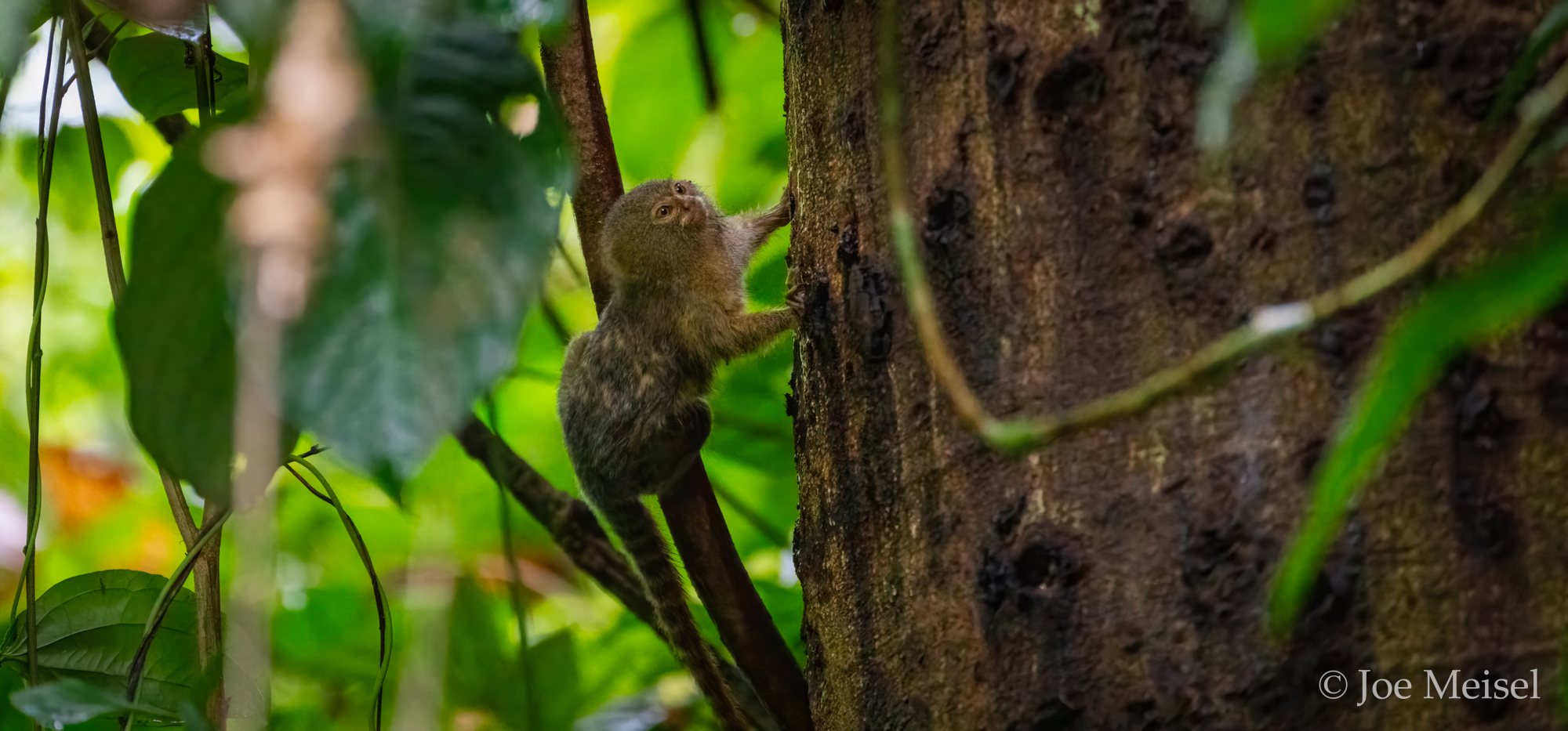
Red Howler Monkey, peering balefully at the nice photographer:
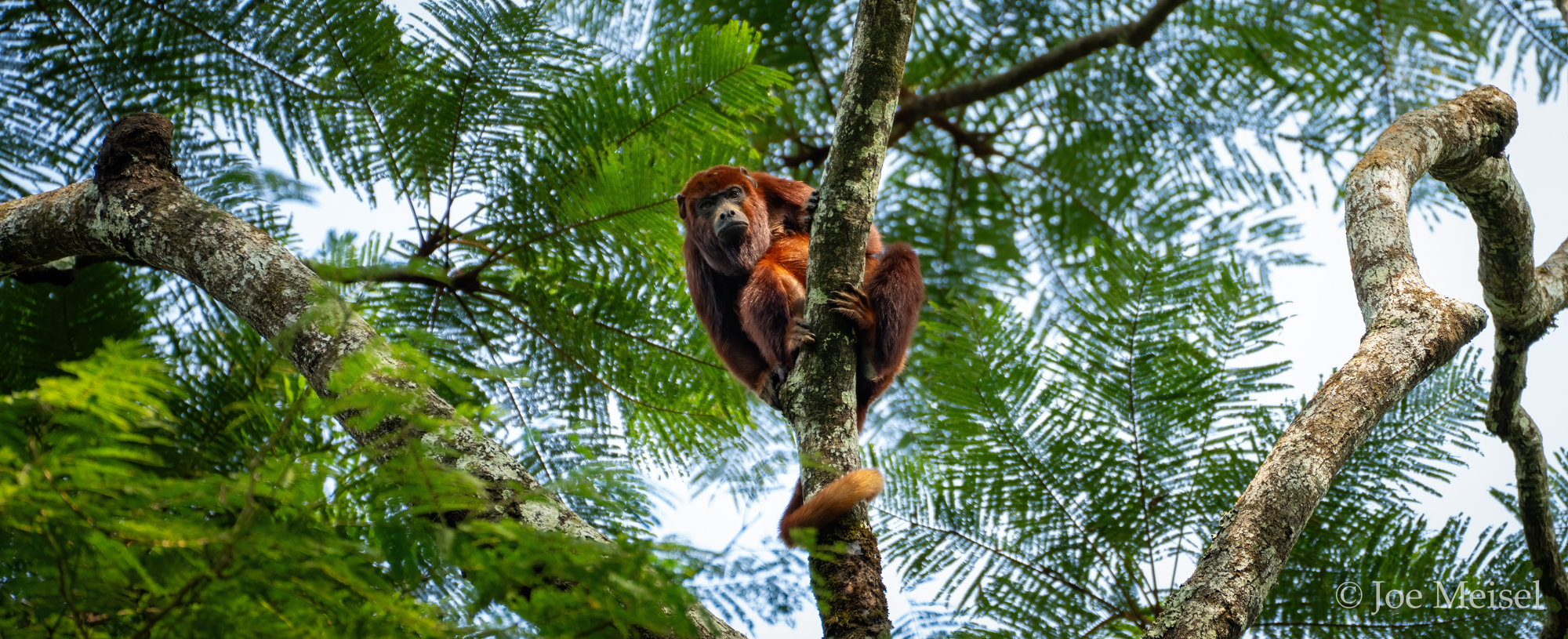
Opal-crowned Tanager, nesting in a canopy bromeliad:
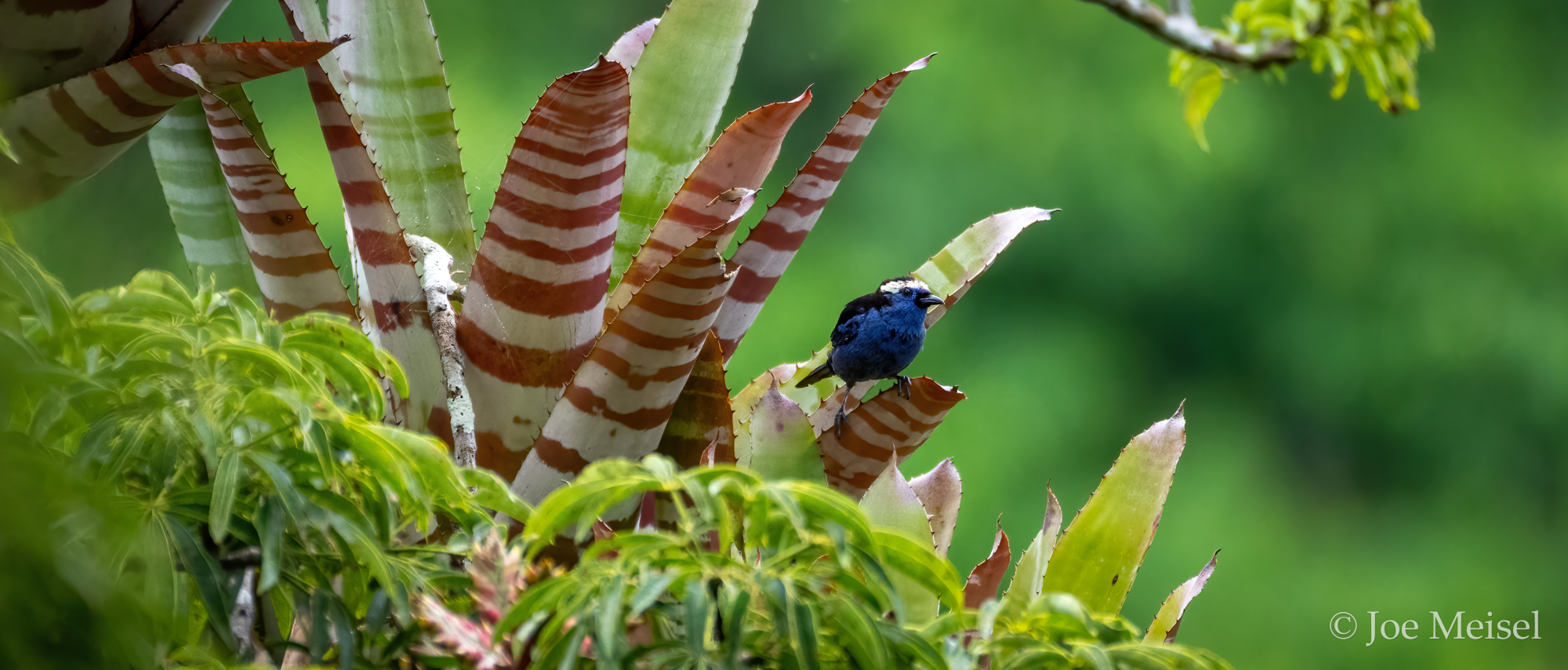
Pygmy Marmoset, the smallest primate in the Western hemisphere, making sap-drinking holes in a Parkia tree:
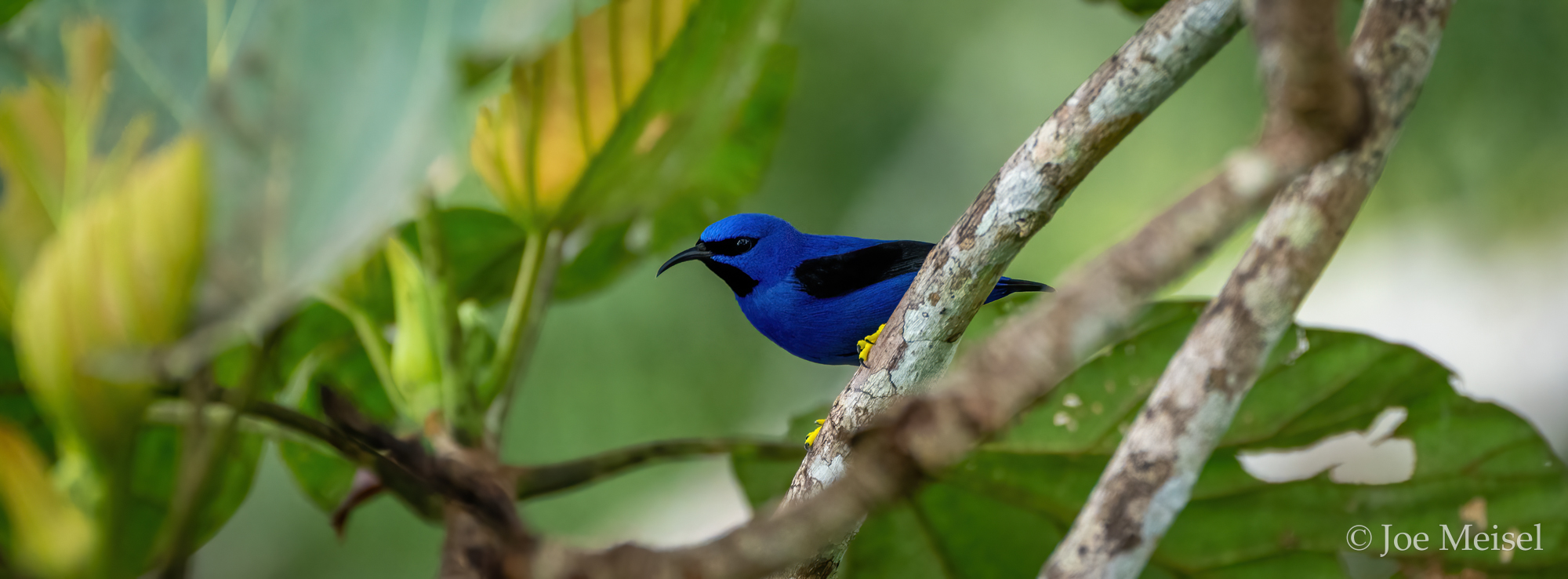
Purple Honeycreeper, a sharp-billed relative of the tanagers, high in the canopy:
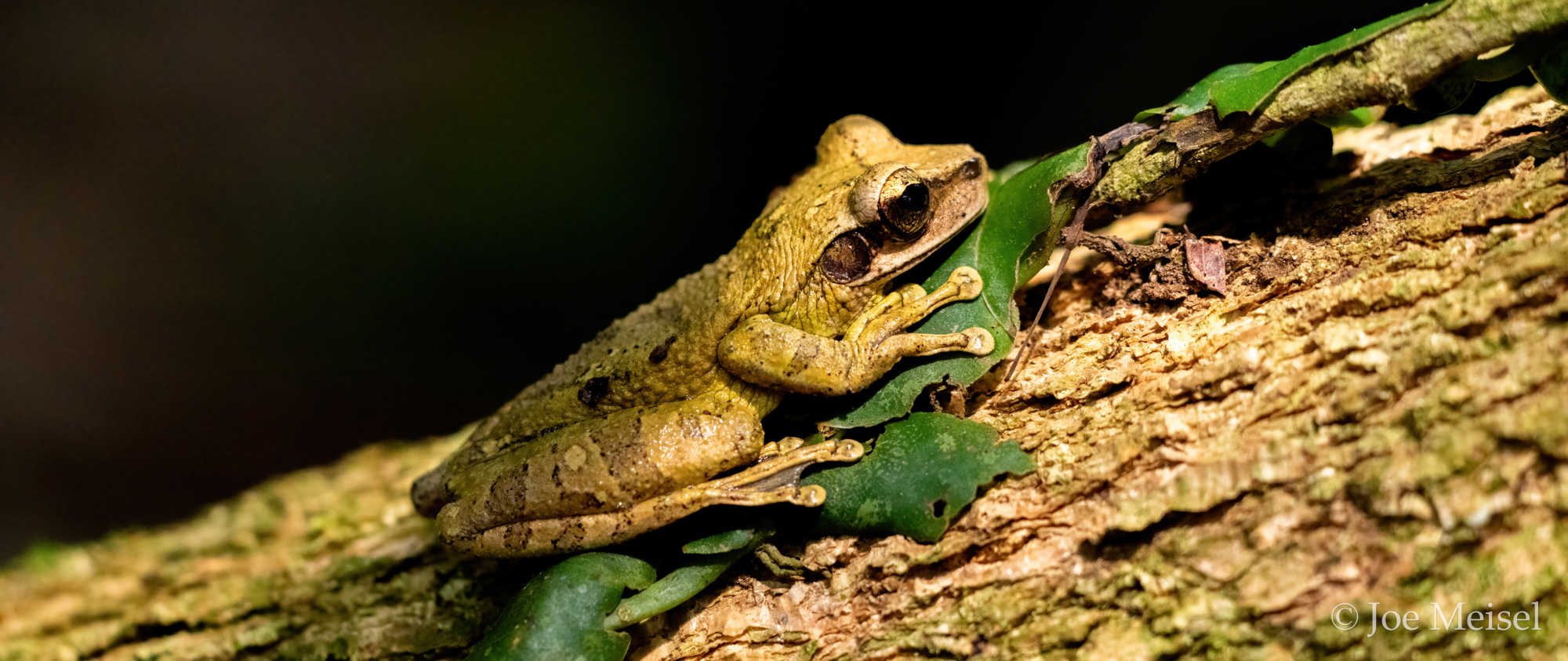
A treefrog near the forest floor is always a welcome surprise, here the comically named Osteocephalus yasuni, which translates to "bonehead from Yasuni" (the biosphere reserve where Tiputini is located):
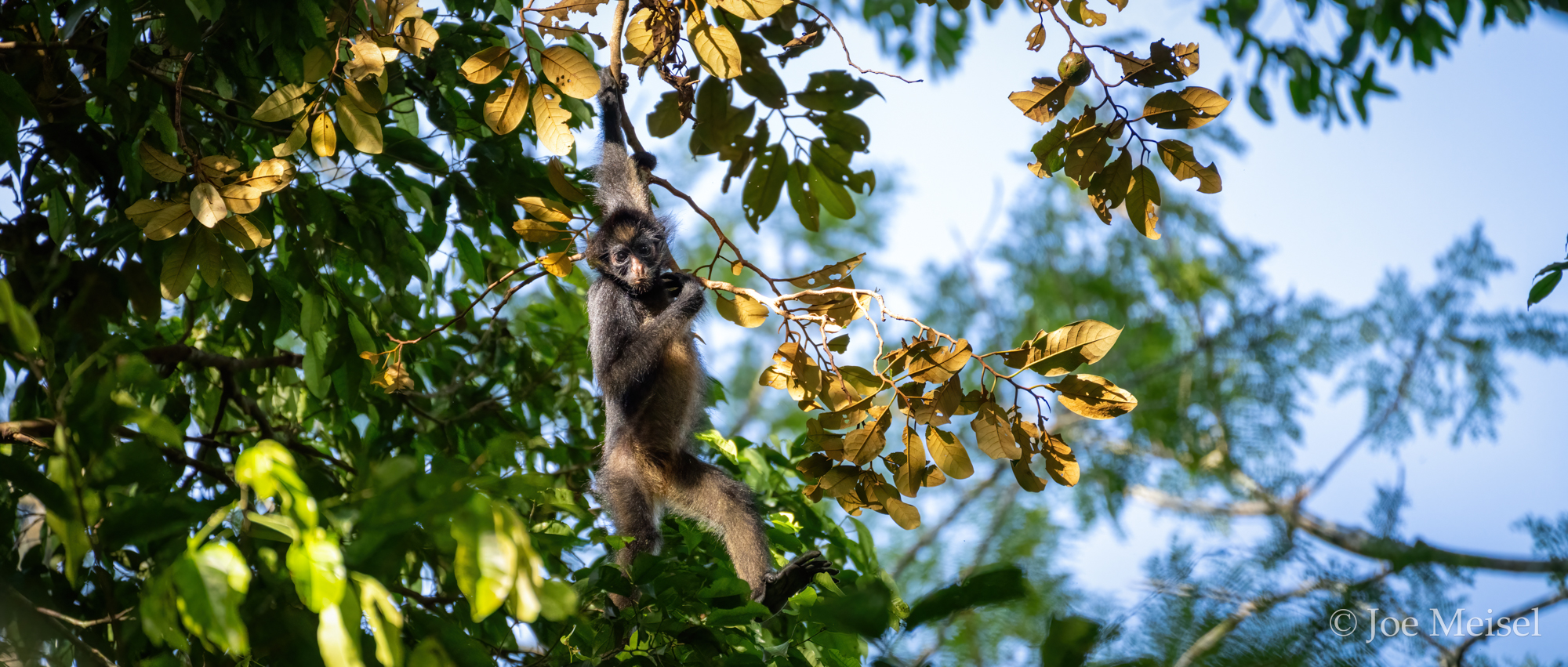
Spider Monkeys travel huge distances, and feed constantly on ripe fruits, but they take time out -- especially juveniles like this one -- to hang around and play:
Back to Sunshine and Green Leaves in Cumbayá
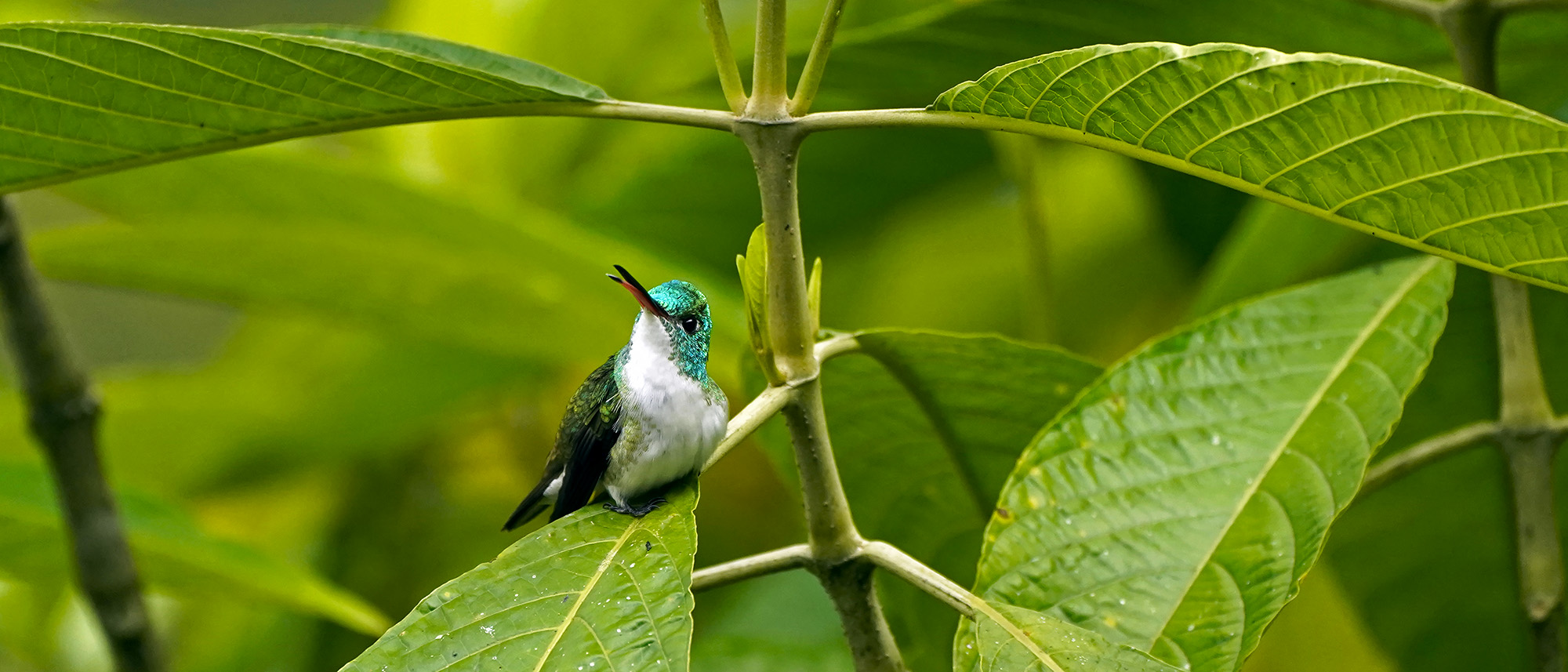
It's always nice to get off a plane in Ecuador, having boarded in chilly and icy Wisconsin, and smell warm soil, see leafy trees, and hear the twittering of hummingbirds. Here's a little Andean Emerald chirping in my back yard.
next: Ecuador 2025
© 2026 Joe Meisel